In the world of jewellery manufacturing, the production stage takes the spotlight. It’s where the bulk of the budget is spent; where pressing deadlines loom and where ideas are crystallised as finished products. It’s important to remember, however, that production is just one stage in the journey of bringing wonderful jewellery to the world. Successful production is not the starting point, but the outcome of the effective design development that comes before it. This blog post is an exploration of what we mean by ‘effective’ development – how upfront work determines the quality, cost and success of everything that follows.
Whether a designer exploring jewellery manufacturing for the first time or a wholesale brand expanding your collections, please consider this your go-to guide for avoiding the common development pitfalls that can derail efficient, predictable and profitable jewellery production.
What do we mean by ‘design development’?
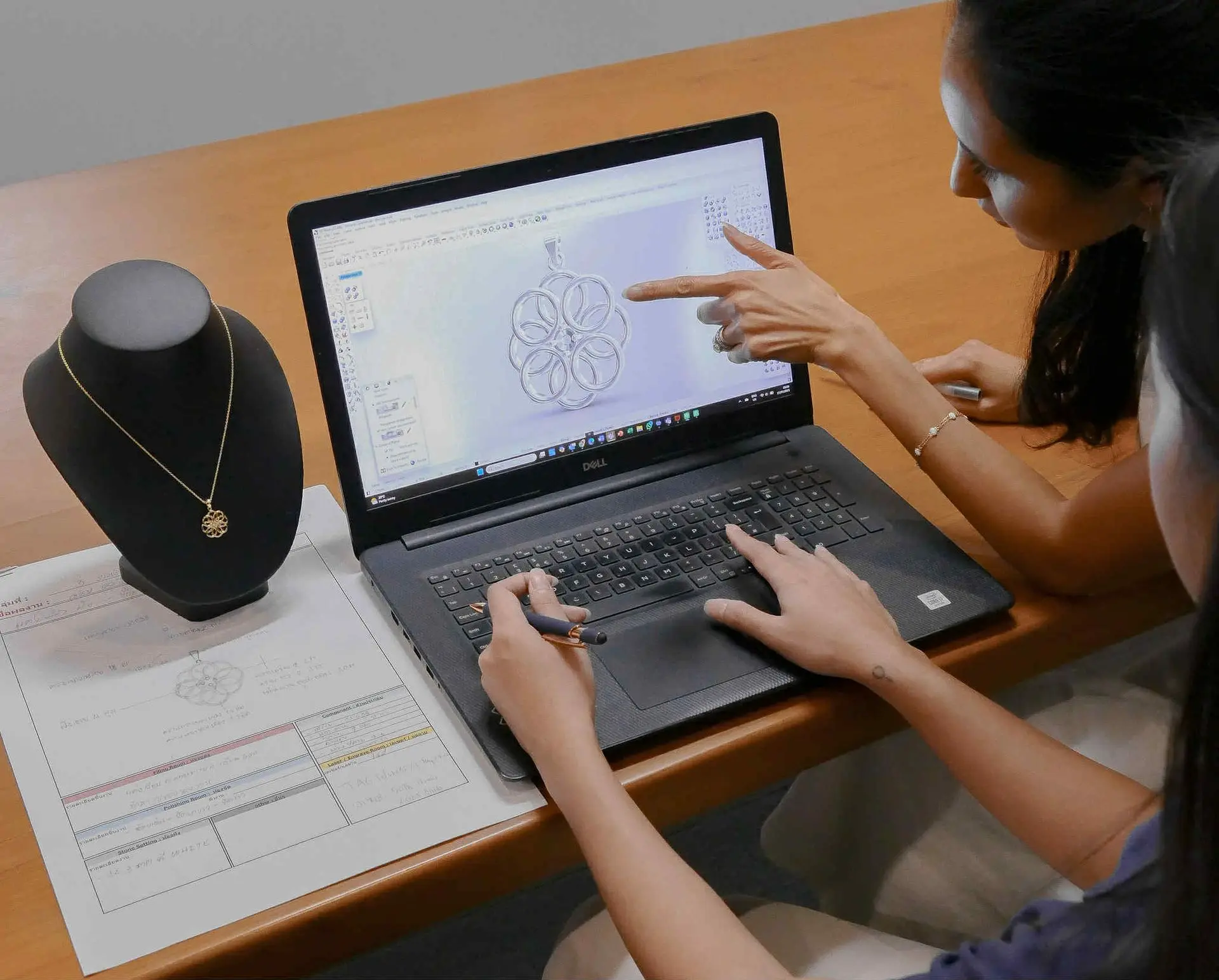
Design development is where your journey begins, involving everything that happens before production starts. At Thai Design, the development stage includes:
- Initial concept refinement
- Assessment of technical feasibility
- Material specification
- Calculating preliminary quotes
- Developing Computer Aided Designs (CAD)
- Producing 3D resins or wax models
- Producing masters, moulds and/or dies for the casting or stamping processes
- Design modifications
- Developing and finalising samples
Development is not just ‘design’; It’s strategic decision-making, bridging the gap between idea and manufacture.
We were once visited at our crafting facility by a jewellery industry consultant who told us that his own jewellery business offers high quality, low cost, and fast lead times - but his customers can only choose two.
Understandably, most customers want all three - but it helps both manufacturer and partner brand if both parties are aligned on what the true priorities are, acknowledging that trade-offs often required.
The most common development pitfalls

As a third-generation business with over 50 years of experience in manufacturing jewellery and giftware, we’re equipped to recognise early mistakes that might later lead to costing or timing issues in the production stage. Here are some common development pitfalls we’ll help you to avert:
- Avoiding discussions around pricing early on
Some new designers overlook detailed costing until the production phase – at which point it’s often too late to make cost-effective decisions without compromising quality. Good development includes pricing conversations as early as possible. This is reflected in Thai Design’s development process, where we draw on our extensive experience to provide and revise reliable quotes throughout the development journey. Upfront cost visibility means:
- You can make informed decisions about materials, plating, stones and design complexity that protect your margins
- You avoid being surprised by costs at the production stage
- You can position your retail pricing strategy consciously rather than reactively
2. Designing without commercial context
A jewellery design might be beautiful, but if it’s not financially viable, quality may be compromised by when ‘value engineering’ is forced under pressure at a later stage. Commercial modelling poses the important question: “Does this design support the numbers I had in mind?” – then allows space for the design to be refined before money is spent on samples and moulds.
Important aspects of commercial modelling include:
- Defining the target retail price
- Confirming the required margin
- Calculating the target metal weight
- Confirming cost and availability with suppliers before finalising gemstone specifications
- Estimating labour costs accurately
3. Skipping honest timeline planning
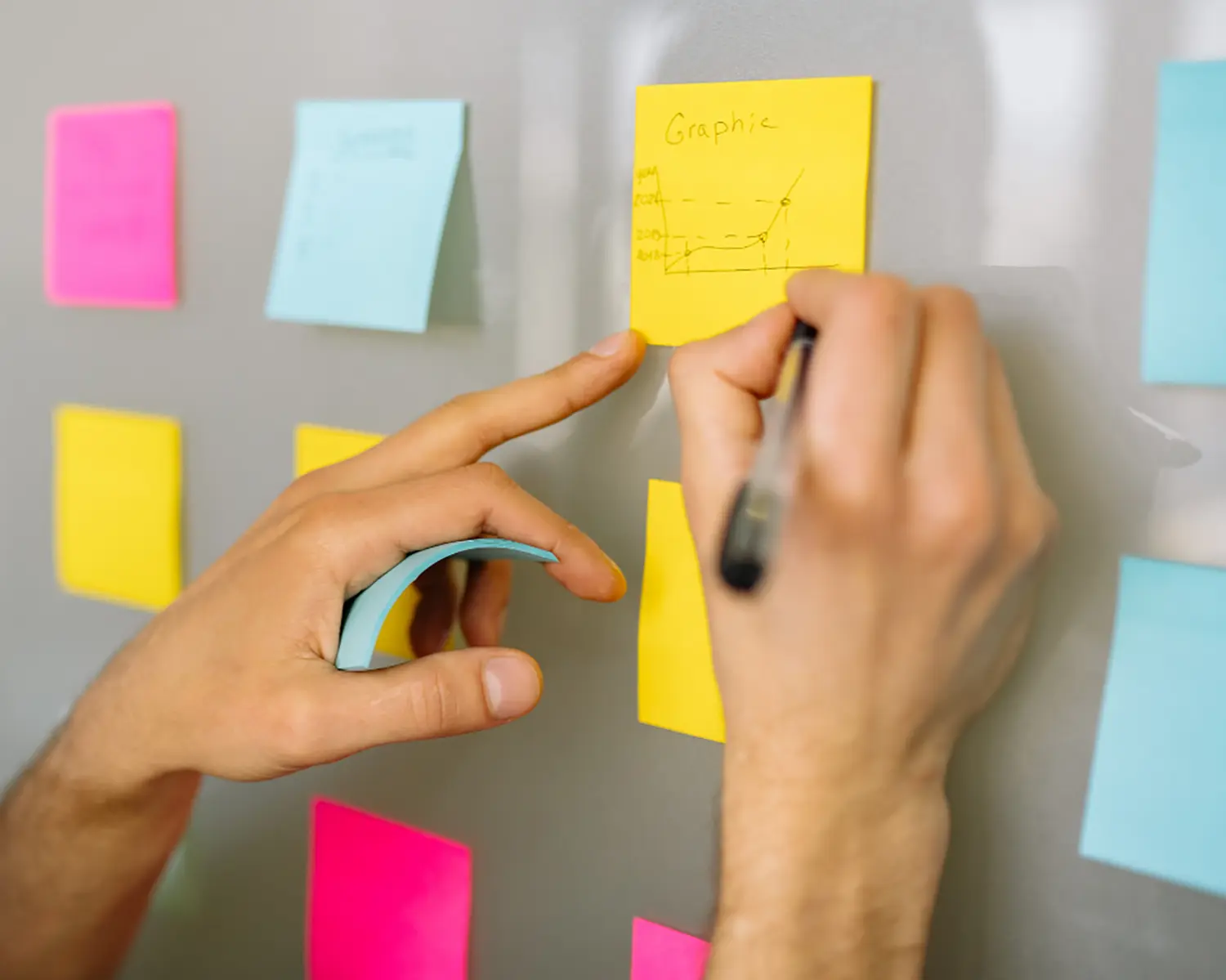
Rushed development can lead to inefficient production. We don’t recommend fixing a product launch date before feasibility is carefully assessed.
At Thai Design, the duration of the design development stage varies from project to project, as some designs require more discussion and adjustment than others. Subsequently, sample creation is typically completed within 4-6 weeks of initial enquiry, whilst full production of designs takes around 4-8 weeks depending on factory capacity and demand. However, good development does not assume the quickest possible turnaround – it allocates realistic allowances for:
- CAD revisions
- Numerous sampling iterations
- Tooling
- Sourcing materials such as stones
- Production lead times
- Quality control
- Dispatch
4. Assuming that CAD = production-ready
Whilst an accomplished render is an exciting step towards visualising the finished piece, it does not always equal a production-ready file. When design development stops at “It looks good,” production becomes a troubleshooting exercise. Before a CAD is used to produce final samples, good design development involves seeking technical validation. Objective tests include:
- Using the CAD to create 3D resins or wax models – physical prototypes that reveal weight, tactility and structural detail before any casting moulds or dies are created
- Drawing on our experienced craft team’s expertise to confirm manufacturing methods: Will this design be realised through casting, stamping or both? Different production routes have different implications for cost, lead time and finish
- In the case of casting, ensuring that wall thicknesses and details can be cast successfully
- In the case of stamping, ensuring that components can be assembled cleanly
- Reviewing the structural integrity of wall thicknesses and stone settings, before documenting defined standards
- Defining tolerances (the allowable range of variation in dimensions or weight)
5. Skipping proper sampling
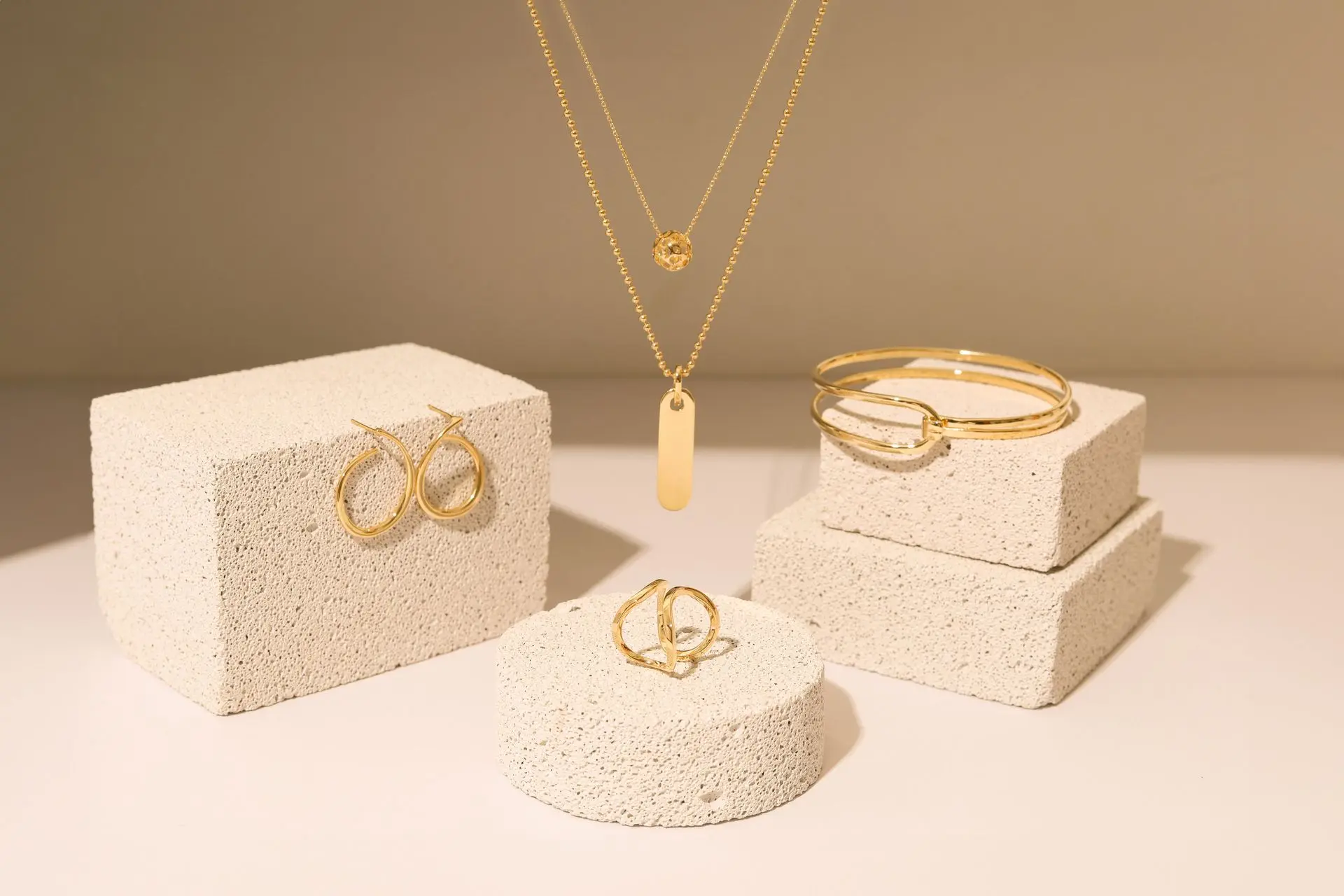
Sampling can feel like an expensive optional step, especially for small brands. However, at Thai Design, sampling is a dedicated stage in the development workflow. In order to commence the development of any new jewellery design, we charge a flat design development deposit of £1,200 / $1,500 – which covers the production of two finished reference samples. That’s because we know that a sample is much more than aesthetic validation, but a crucial practice in managing risk and gathering evidence that enables us to refine designs. A sample helps us to:
- Test clasps, chains, moving components and plating under wear conditions
- Review weight against comfort and balance
- Understand how a piece truly feels and wears
- Identify any technical challenges in manufacturing
- Accurately estimate material weights and costs
- Understand the repeatability of your design
6. Underestimating the power of technical documentation
Good development produces documentation that removes guesswork. If your production partner has to interpret your intent, something is missing. Clarity from the outset reduces the need for revisions, and reducing revisions means honouring cost margins. Technical documentation includes:
- Technical drawings and CAD files with dimensions and tolerances
- A material specification sheet, detailing:
- Stone size and grade
- Metal weights
- Plating specifications
- Confirmation of finishing standards
- Assembly instructions
The ‘multiplier effect’ of good development
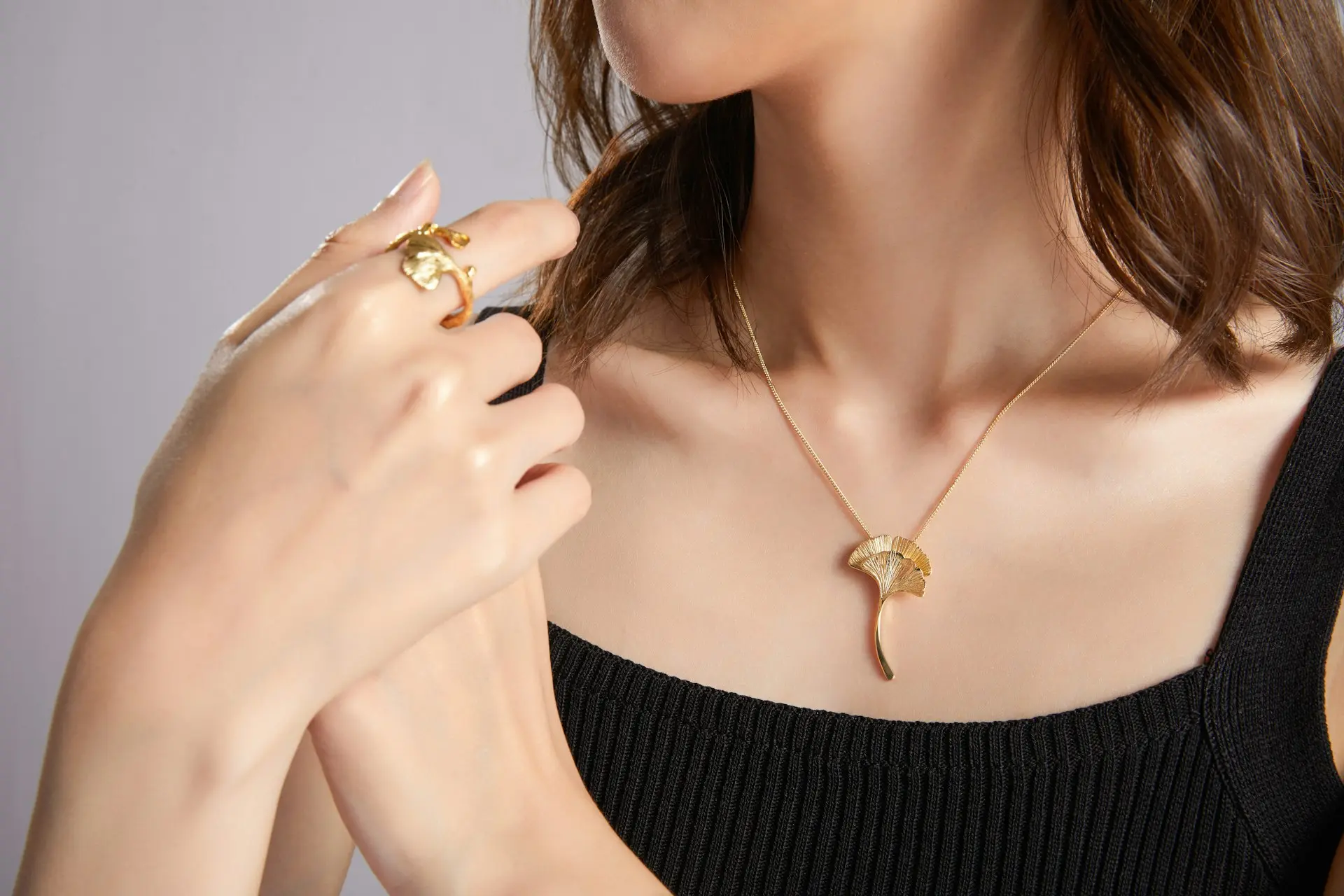
When production begins, variables should narrow. If this stage feels unclear or reactive, the issue is rarely production alone, but incomplete development. The most successful jewellery brands understand that a little care invested upfront protects money and time further down the line. Strong development is not delay but infrastructure, risk mitigation, commercial strategy and quality control in its earliest form. It improves:
- Accurate costing and margins
- Relationships with your production partners
- Repeatability and scalability
- Brand perception, with consistency in finish and quality
- Stress levels
Your ‘good development’ checklist
Before proceeding to the production stage, remember to ask:
Have we invested time in thorough commercial modelling?
Have we validated our margins with real metal weights and stone specifications?
Are all these materials confirmed with suppliers?
Is the manufacturing method agreed?
Have we tested a physical sample?
Are quality standards documented?
Is the timeline realistic?
If any answer is “not yet,” development is still in progress.