Choosing the right gold for your jewellery collection plays a defining role in how it looks, wears and is valued over time, which is why understanding the types of gold used in jewellery matters. From classic yellow tones to modern alloys and plated finishes, each gold jewellery manufacturing option offers different qualities that suit specific design goals, price points and customer expectations.
Gold selection also affects durability, maintenance and long-term wear. Decisions made at the material stage influence surface finish, stone security and how a piece performs during regular use. For designers, retailers and buyers alike, a clear understanding of gold types supports informed decisions and realistic expectations.
This page outlines the most widely used gold types used in jewellery, how they differ in composition and appearance, and where each is best applied in commercial and bespoke design.
Gold Purity and Karat Explained
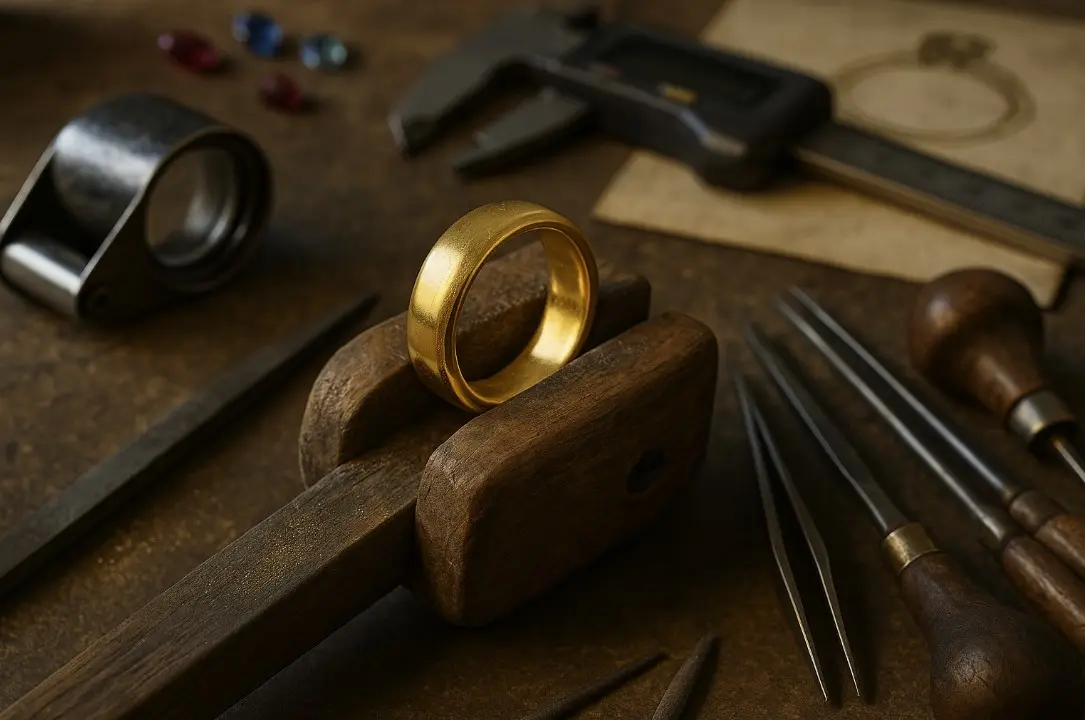
Gold purity is measured in karats (or carats), a system that indicates the volume of pure gold present in a piece. Pure gold is 24ct, meaning it contains no additional metals. Whilst visually striking, this level of purity is naturally soft, which limits its suitability for many wearable designs.
Lower karat gold is produced by combining pure gold with other metals such as copper, silver or zinc. These blends create a gold alloy that improves strength and resistance to wear, whilst influencing colour and finish. Alloy composition also affects how gold responds to polishing, engraving and stone setting.
Karat Levels used in Jewellery
- 24K
gold
Bright yellow and highly resistant to tarnish, but soft and prone to surface marking. Often used for ceremonial items or gold bars rather than daily wear.
- 22K
gold
Retains a rich yellow colour while offering slightly improved strength. Valued for its vibrant hue and cultural significant, 22ct gold is often used in traditional Indian jewellery.
- 18K
gold
Contains 75% pure gold. Favoured in fine jewellery for its balance of colour, durability and longevity.
- 14K
gold
Stronger and more scratch resistant due to its higher content of tough alloy metals, making it suitable for rings, chains and earrings worn regularly. Whilst 9k and 18k gold are the most popular choices in UK and European markets, 14k is common in the US market.
Understanding carat choice allows materials to be matched to function, appearance and lifespan.
Yellow Gold in Contemporary Jewellery
Yellow gold remains one of the most widely used gold types in jewellery. Its warm tone is closely associated with heritage craftsmanship while continuing to suit modern styles across global markets.
The colour of 18ct and 14ct yellow gold generally results from a blend of pure gold with silver and copper. Adjusting these proportions affects shade, hardness and wear resistance. Higher karat yellow gold displays a deeper tone, while lower karat versions may be slightly less saturated in hue, but provide added strength for everyday use.
Yellow gold is commonly selected for wedding rings, necklaces, chains and earrings due to its timelessness, versatility and compatibility with gemstones. It pairs well with both polished and textured finishes and works across classic and contemporary design styles.
White Gold and Rose Gold Alloys
Alternative gold colours have become increasingly popular as jewellery styles diversify. White gold and rose gold are among the most widely used modern alloys.
White gold is created by blending pure yellow gold with white metals such as palladium. This produces a pale, silvery appearance that complements diamonds and minimalist designs. Many white gold pieces receive a rhodium coating to achieve a brighter surface tone and added surface protection.
Rose gold gains its pink hue from a higher copper content in the alloy. This produces a warm, blush tone that suits both modern and vintage-inspired jewellery. The added copper also increases hardness, making gold rose suitable for detailed settings and fine structural work.
Both alloys allow variety in colour while retaining the intrinsic value associated with gold.
Solid Gold vs. Gold Plated Jewellery
Solid gold jewellery is made entirely from a gold alloy, meaning the material runs throughout the piece. It offers long-term durability, easy maintenance and higher intrinsic value. Solid gold is commonly used for fine jewellery, heirloom pieces and items intended for long-term wear.
Meanwhile, gold plated jewellery consists of a base metal, often brass, coated with a thin layer of gold. Vermeil uses sterling silver as the base instead. These options are widely used for seasonal collections, trend-led designs and lower price points. Gold plated jewellery allows flexibility in design and weight while keeping production costs controlled. However, plating thickness and wear expectations should be clearly communicated, as surface gold will wear over time with regular use.
How Gold Choice Affects Jewellery Design and Wear
The type of gold selected influences weight, durability, maintenance needs and overall performance. Rings require harder alloys to withstand daily impact, and chains benefit from strength to prevent stretching. Earrings often prioritise lighter materials for comfort, and necklaces must balance visual presence with wearability.
Surface finish also interacts with alloy choice. Polished finishes highlight colour and reflectivity, while matte or brushed finishes can reduce the visibility of surface wear over time. Material choice should align with how and how often a piece will be worn.
Responsible Gold Sourcing and Production
Responsible sourcing has become increasingly important within the jewellery industry. Transparency around material origin and production processes supports trust and long-term sustainability.
Ethical gold sourcing typically relies on traceable supply chains, responsible labour practices and reduced environmental impact. These considerations apply across all gold types, including solid gold, white gold, rose gold and gold plated jewellery.
Production methods also influence sustainability, from efficient material use to skilled craftsmanship that reduces waste and rework.
Work with Thai Design
If you’re planning a jewellery collection and want expert support in selecting suitable gold types for your designs, Thai Design partners with designers, retailers, and wholesalers to develop, manufacture and supply jewellery and giftware. We work exclusively in sterling silver and solid gold, and offer plating options with a variety of materials, colours and microns to suit your design requirements. If you would like to discuss material choices, production details, CAD support or responsible sourcing, please contact the Thai Design team today.