Watch the full YouTube video here
If you’ve been keeping an eye on metal prices recently - or reviewing quotes for upcoming orders - you may have noticed that the costs of gold and silver have risen considerably. For jewellery designers like you, it’s totally understandable if this price hike has raised questions about production costs, margins and how best to plan for the months ahead.
At times like this, clear information is worth its weight in gold. In this article, we’ll take a closer look at why precious metal prices are currently so high, explain why price fluctuations are in fact commonplace in the jewellery industry, and - most importantly - outline what this means for you as a jewellery designer working with a manufacturing partner.
Why are gold and silver
prices rising?

There’s no single factor behind today’s elevated metal prices. Instead, what we’re seeing is the result of several global forces converging at once.
- One of the most significant drivers is global economic uncertainty. Periods of political tension, shifting trade policies, and the introduction of new tariffs often push investors toward “safe-haven” assets. Gold, in particular, has long been viewed as a store of value during uncertain times, and increased investor demand naturally drives prices upward.
- Inflation and interest rate movements also play a major role. When inflation remains persistent or borrowing costs fluctuate, precious metals often become more attractive as a hedge, again increasing demand.
Our Marketing Assistant Ruby recently witnessed early-morning throngs of people crowding the pavements outside gold shops in Vietnam’s capital Hanoi, waiting to take advantage of the record-high price for gold. For generations, many Vietnamese families have stashed gold in safe boxes or hidden locations at home as a primary means of storing wealth. In fact, The World Gold Council has estimated that at least 500 tons of gold are hoarded by households in Vietnam. Tradition tells a similar story across the globe – from Turkey to India and China. A real-life example of how gold is widely viewed as more stable than paper currency and invested in as a means of hedging against inflation and economic uncertainty.
- Currency fluctuations are another important piece of the puzzle. Because gold and silver are traded internationally - typically priced in US dollars - changes in exchange rates can affect local pricing, sometimes quite dramatically.
- On the supply side, constraints in mining and refining capacity continue to influence availability. Mining output can be affected by labour shortages, environmental regulations, and geopolitical issues in key producing regions. When supply tightens while demand remains strong, prices inevitably rise.
Together, all of these factors are creating upward pressure on prices. Anyone who has worked in the jewellery industry for a while will have born witness to the natural cycles of rising, falling and stabilising. What’s important to understand is that while these movements aren’t unusual, the current rate and magnitude of the change is.
What higher silver and gold prices mean for jewellery production

Naturally, higher metal prices affect production costs. This of course raises practical concerns around strategy, cash flow and whether to proceed with planned collections.
This is where openness becomes crucial. At Thai Design our quotes are always calculated fairly and transparently, based on live metal prices at the time of quoting. Whilst this does mean that prices accurately reflect current market conditions, it also ensures that you are never paying for inflated estimates or hidden buffers.
In fraught markets, clarity offers control. Understanding how a quote has been calculated allows you to make realistic and informed decisions about pricing, margins and production timelines. Even when conditions are a little challenging, as a partner of Thai Design you know where you stand.
Flexibility and collaboration
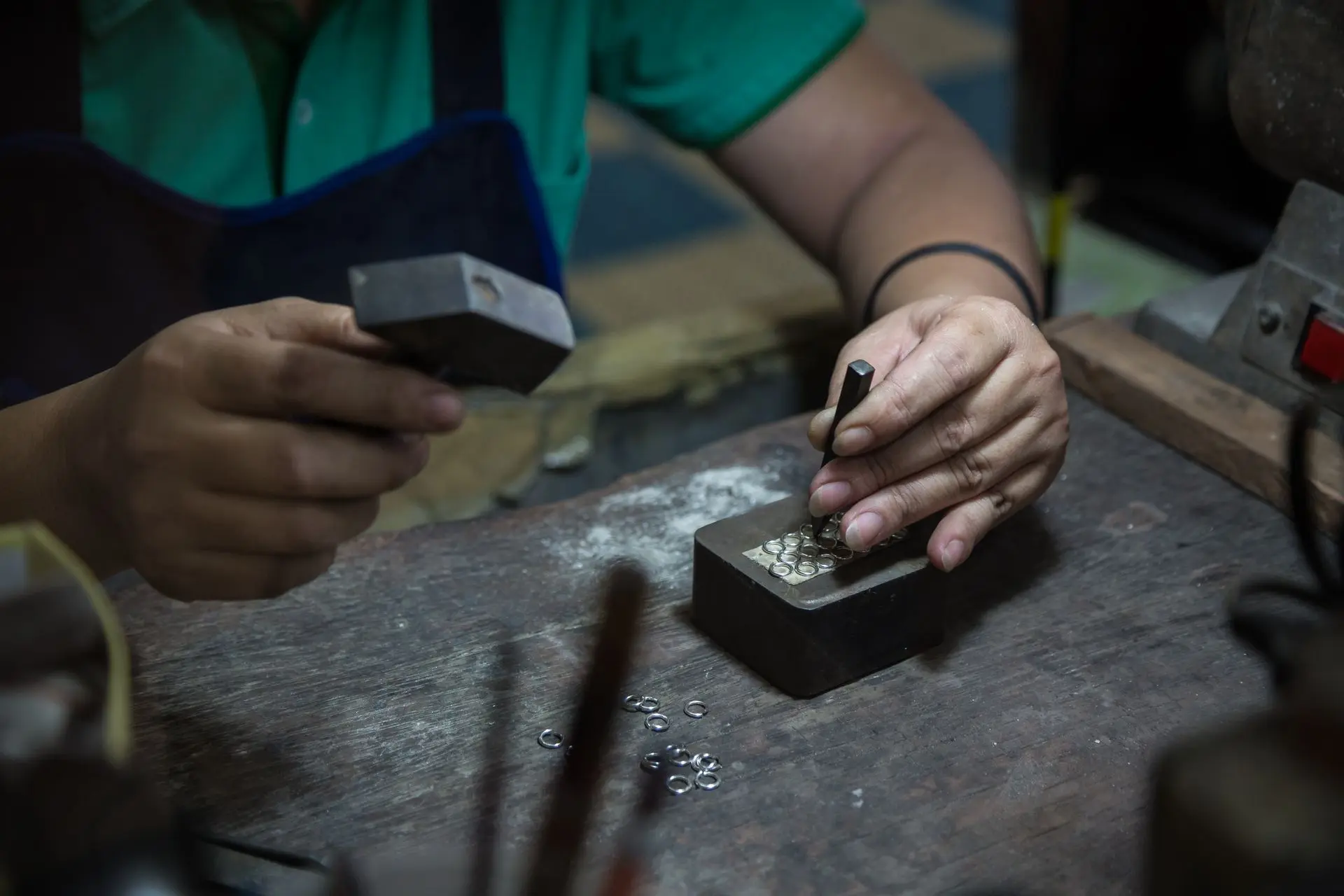
At times like now, managing costs doesn’t have to mean compromising your vision. In many cases, small adjustments can make a meaningful difference.
This might include exploring alternative metal alloys, fine-tuning weights and thicknesses, or making subtle refinements that preserve the integrity of a design whilst improving cost efficiency. These conversations work best when approached collaboratively with your dedicated Account Manager, with a long-term view of your brand and customer base.
One of the most important things to remember during periods of price volatility is that rushed decisions are rarely the best ones. As your manufacturing partner, our role is to help you understand the options available to you and guide you through decisions that align with the future of both your creative goals and commercial – not just the market conditions of the week.
Volatile markets can feel unsettling, but strong and collaborative planning can help you not only to thrive, but to survive. What tends to remain stable is consumer appreciation for well-designed, well-crafted jewellery; Short-term price movements do not diminish the long-term value of creativity, storytelling, quality materials and skilled workmanship. As a jewellery designer, your brand and unique vision remain your strongest assets for continued success.
If you have any questions about current pricing, upcoming projects or how best to approach production right now, we encourage you to reach out. We’re always happy to hear your thoughts and share our knowledge.
Practical resources for tracking metal prices
For jewellery designers who like to stay informed without feeling overwhelmed, below are some practical tools and information sources worth bookmarking.
Keeping an eye on metal prices doesn’t mean monitoring them daily. For most of us in the industry, checking trends periodically - or when planning a new collection - is more than sufficient.
The most valuable step is combining market awareness with open communication. We recommend using these resources as a reference point, then speak with your manufacturing partner to understand how current conditions apply specifically to your designs, timelines and production goals.
Live precious metal pricing
- London Bullion Market Association (LBMA)
Widely regarded as the global benchmark for gold and precious metal pricing. Useful for understanding daily price movements and market standards.
- Kitco
A user-friendly platform offering live gold, platinum and silver prices, historical charts, and clear visualisations.
- BullionVault
Particularly helpful for tracking long-term price trends and comparing historical performance across metals.
Market context and industry news
- World Gold Council
Offers accessible reports and commentary on gold demand, investment trends and broader market drivers - Platinum Guild International
A valuable resource for insights into platinum-specific supply, demand and industrial usage
- Financial Times / Reuters
Useful for high-level context around economic conditions, currency movements and geopolitical events that influence metal prices.