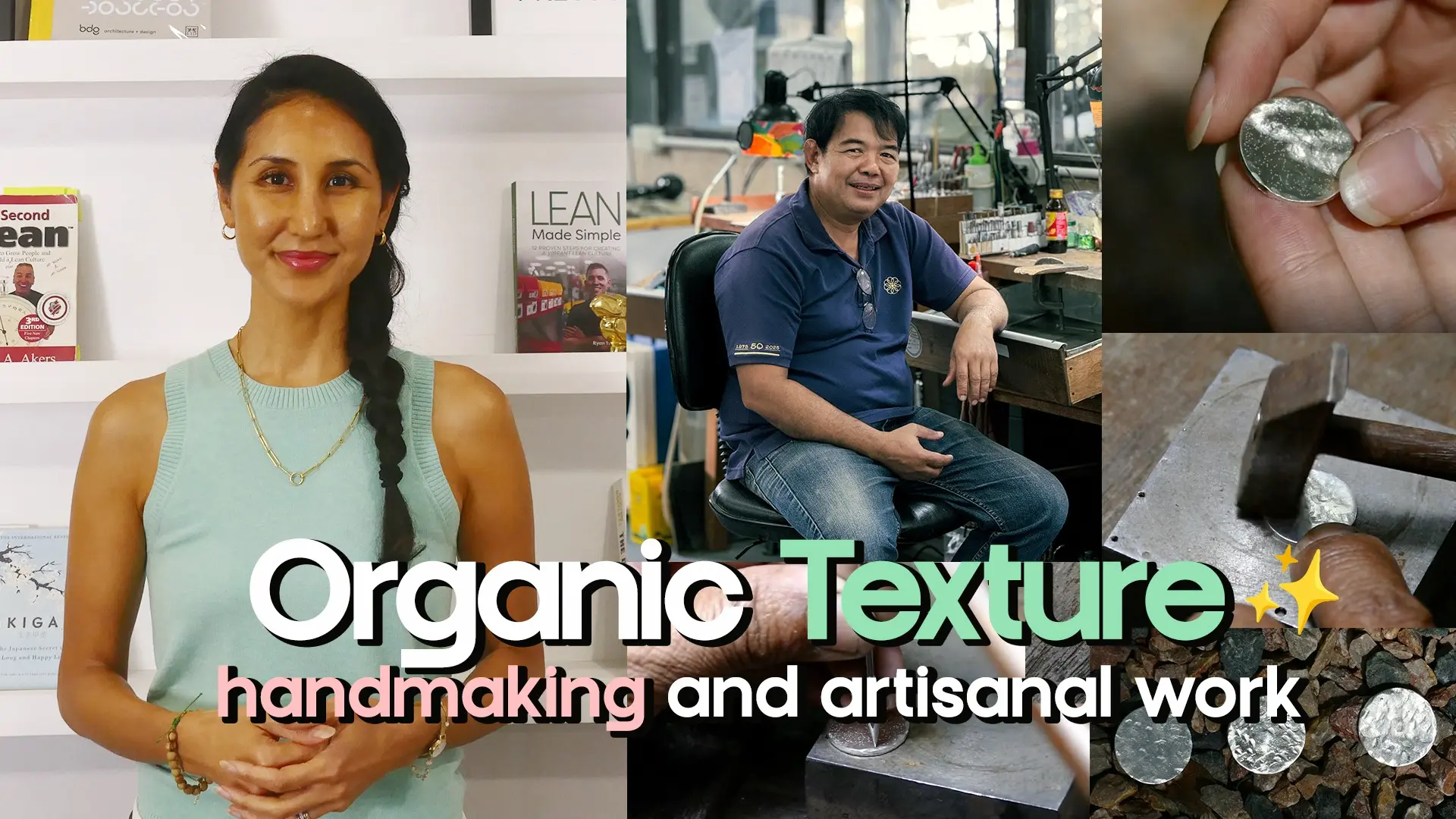
At Thai Design, craftsmanship is not simply a process, it is an identity. While modern technology enables us to achieve precise, highly detailed jewellery through CAD, the distinctive soul of our work continues to come from the hands of our artisans. The textures they create embody character, emotion, and a sense of individuality that cannot be replicated by machines.
In this article, we invite you to step behind the scenes of our atelier and observe how our Master Team produces a range of organic textures on silver and gold pieces. These textures are often requested by designers who wish to incorporate a more natural, handcrafted appearance into their work — an aesthetic that celebrates irregularity, authenticity, and the beauty found within imperfection.
Our commitment to handcraftsmanship
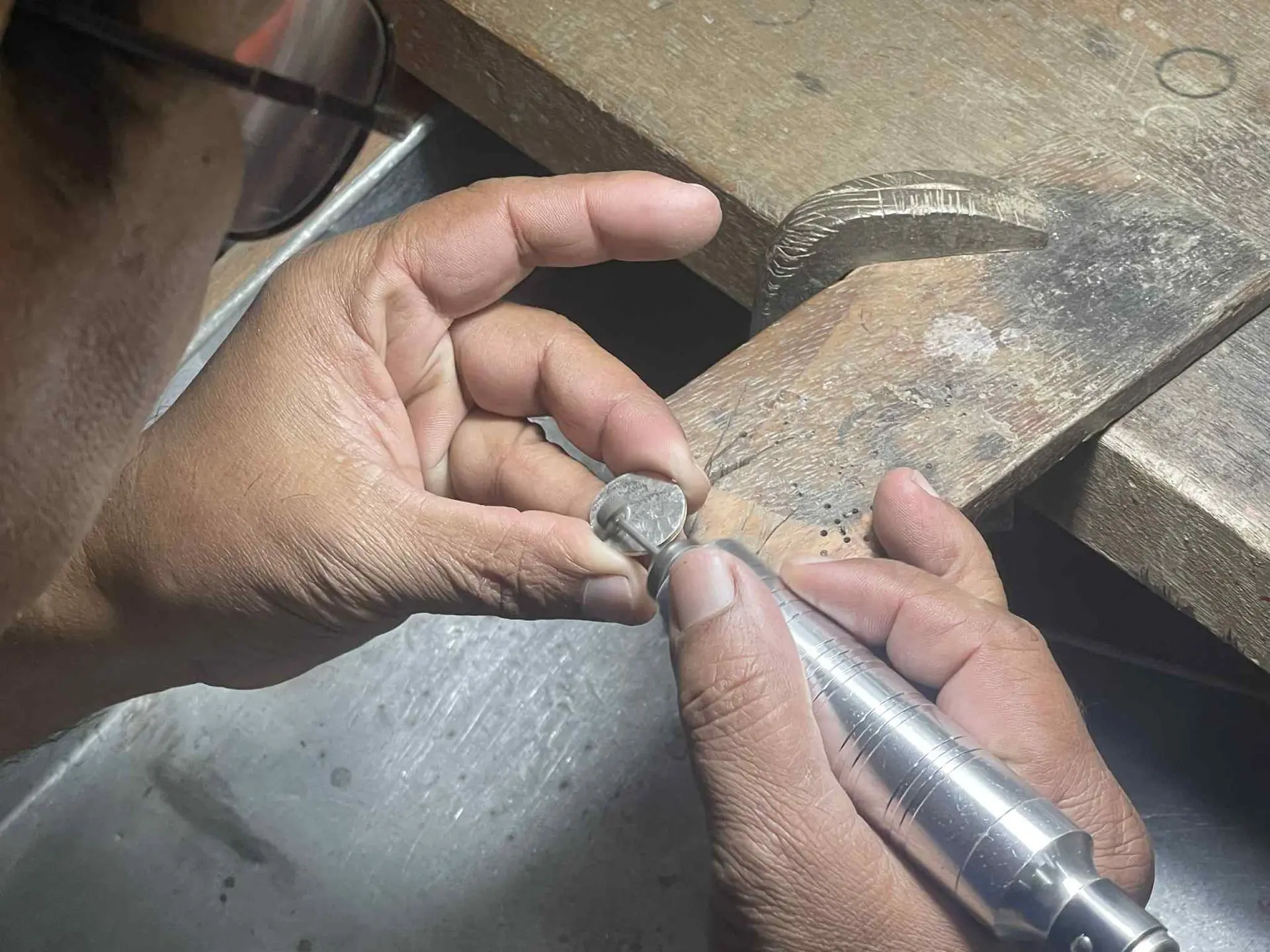
While our facility is fully equipped to achieve precise, clean, and highly controlled finishes, traditional handcraft remains at the heart of Thai Design’s identity. We operate three dedicated filing departments, where pieces are carefully shaped, refined, soldered, assembled, and, most importantly, imbued with their distinctive surface character.
Many of our clients request textures to be applied by hand rather than incorporated into the CAD design. This ensures that the final piece carries the warmth, subtle irregularities, and tactile nuances that can only be produced by a skilled artisan.
Meet Wan — Master Silversmith and Texture Specialist
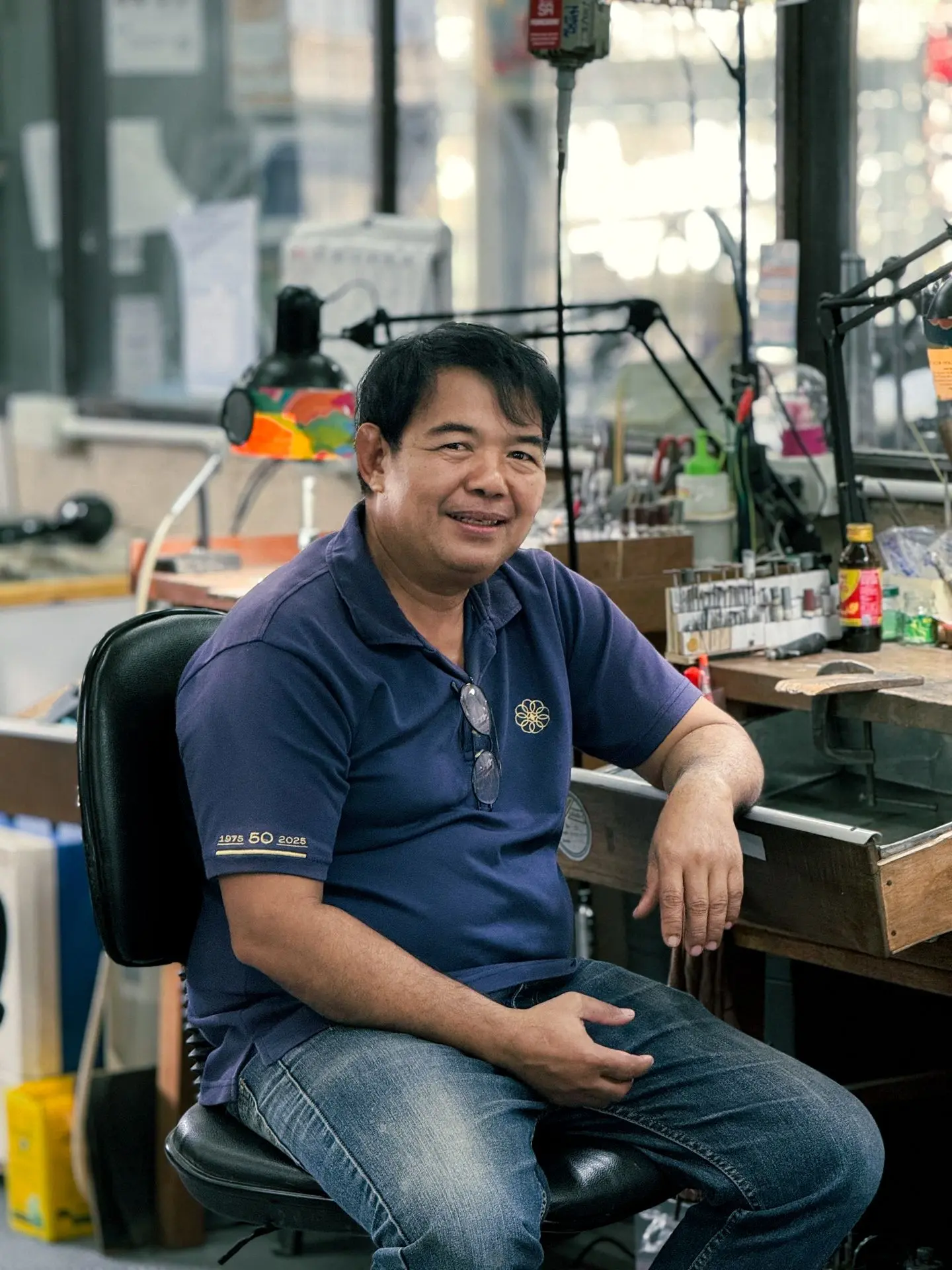
All textures featured in this article were created by Wan, one of our highly skilled artisans from the Master Team. Our master team is a group of senior artisans with decades of experience, responsible for the most complex handwork, surface finishing, and quality-critical stages of production. They safeguard traditional techniques while mentoring the next generation of craftspeople.
Wan specialises in crafting organic surface finishes and works within our “Small Goods Room,” a space dedicated to detailed handwork and fine craftsmanship.
His experience, precision, and sensitivity to metal allow him to interpret a wide range of designer requests, from antique-inspired finishes to modern organic irregularities.
Five Organic Textures Handcrafted
at Thai Design
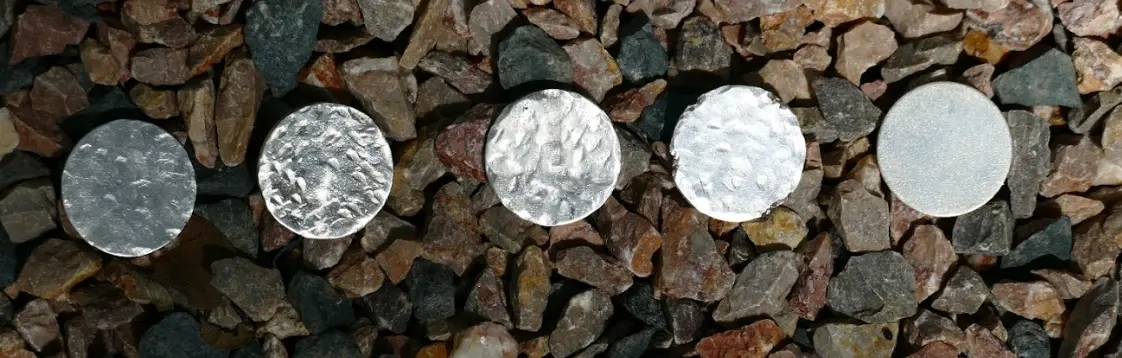
Below are the five textures demonstrated — each one distinct in personality and technique.
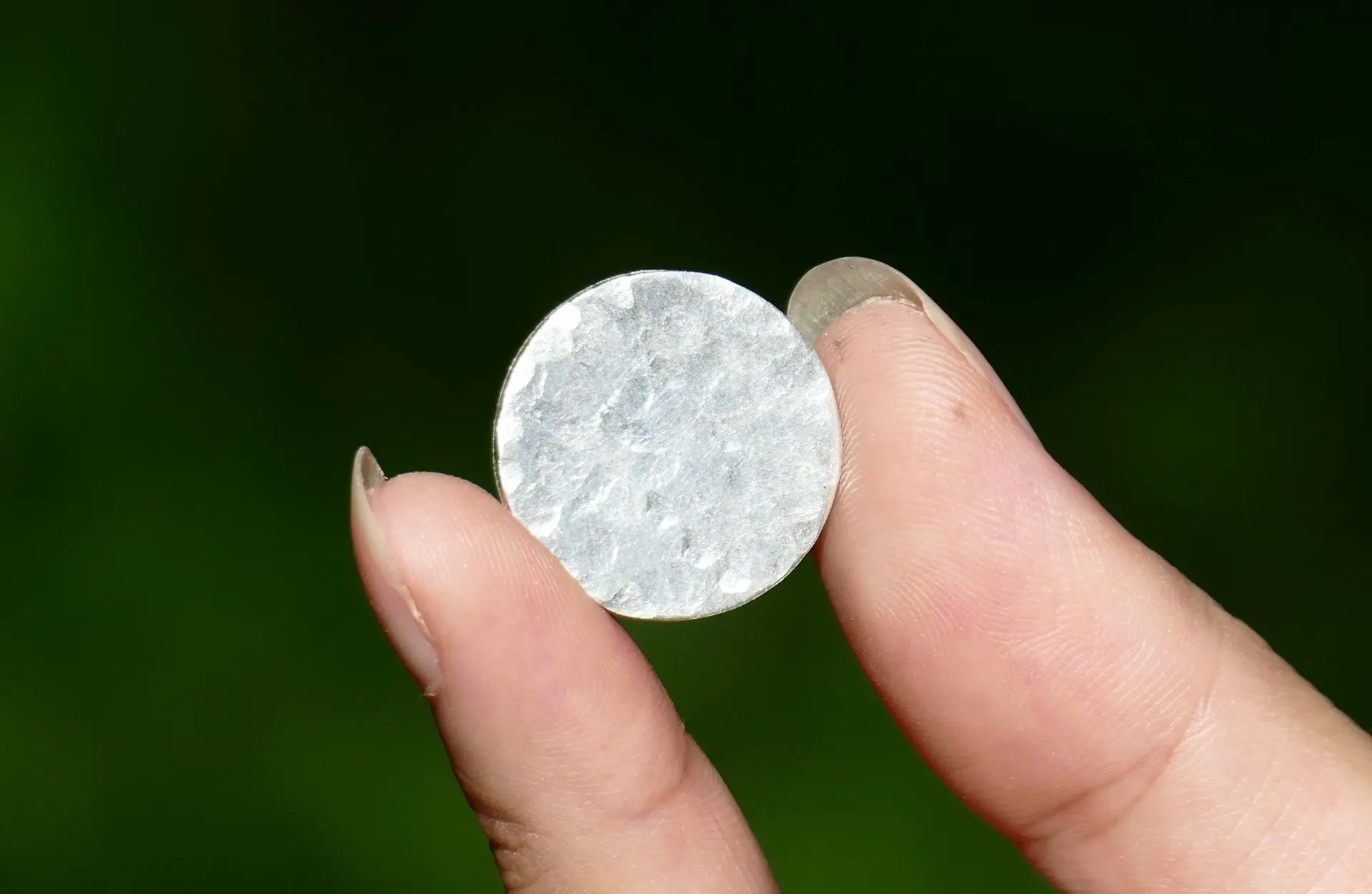
1. Classic Hammered
This traditional hammered finish is timeless and elegant.
Using a standard hammer, Wan creates small, naturally varied indentations across the surface. The soft irregularity of each strike allows the piece to capture and reflect light beautifully.
This texture is often used in both minimalist and vintage-inspired designs.
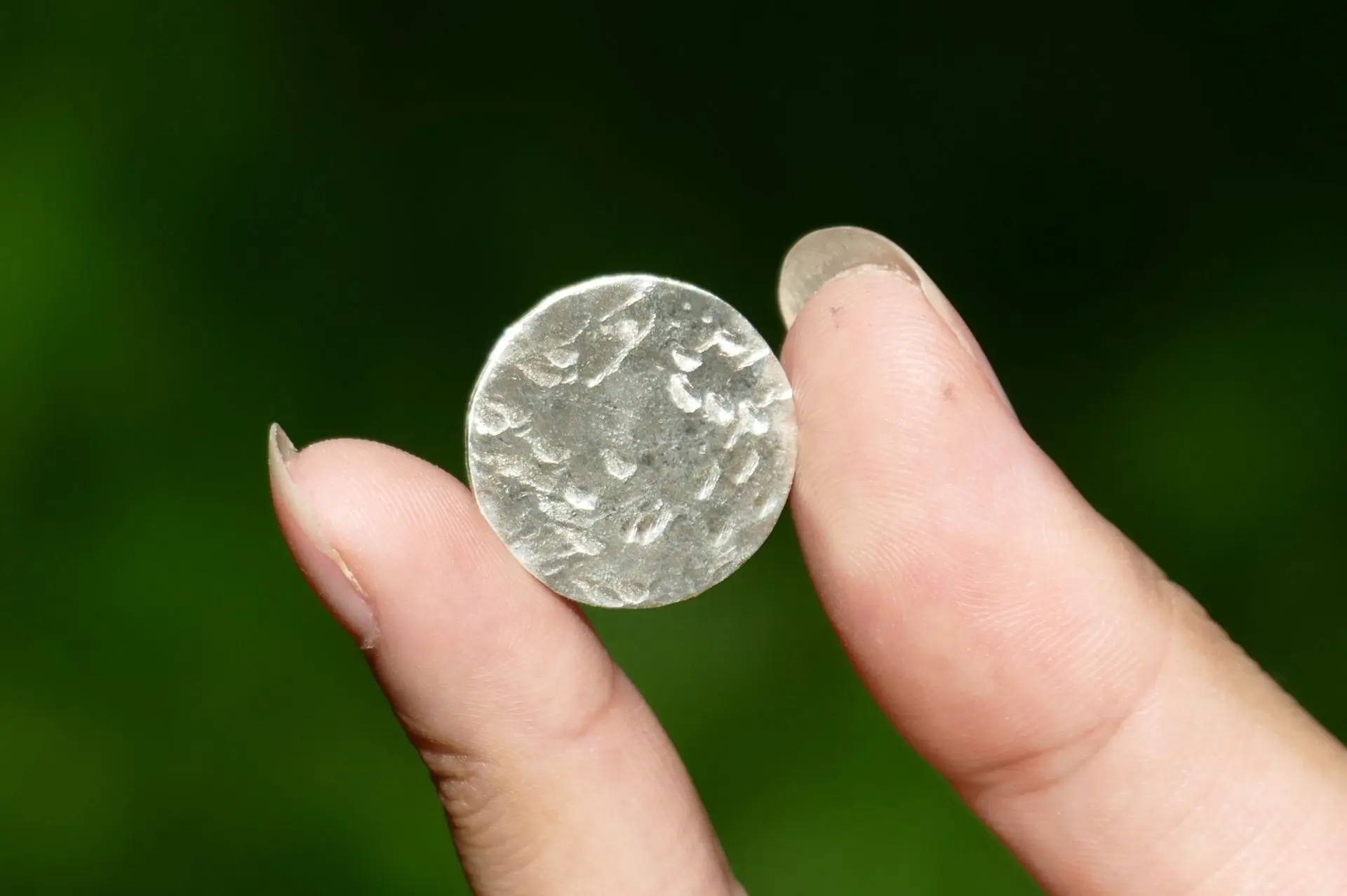
2. Hammered with Scratch
In this variation, the hammered pattern is enhanced with fine scratch lines, created using the edge of the hammer.
The result is a raw, rugged texture that appears weathered and naturally worn — ideal for designs that embrace an unpolished, organic aesthetic.
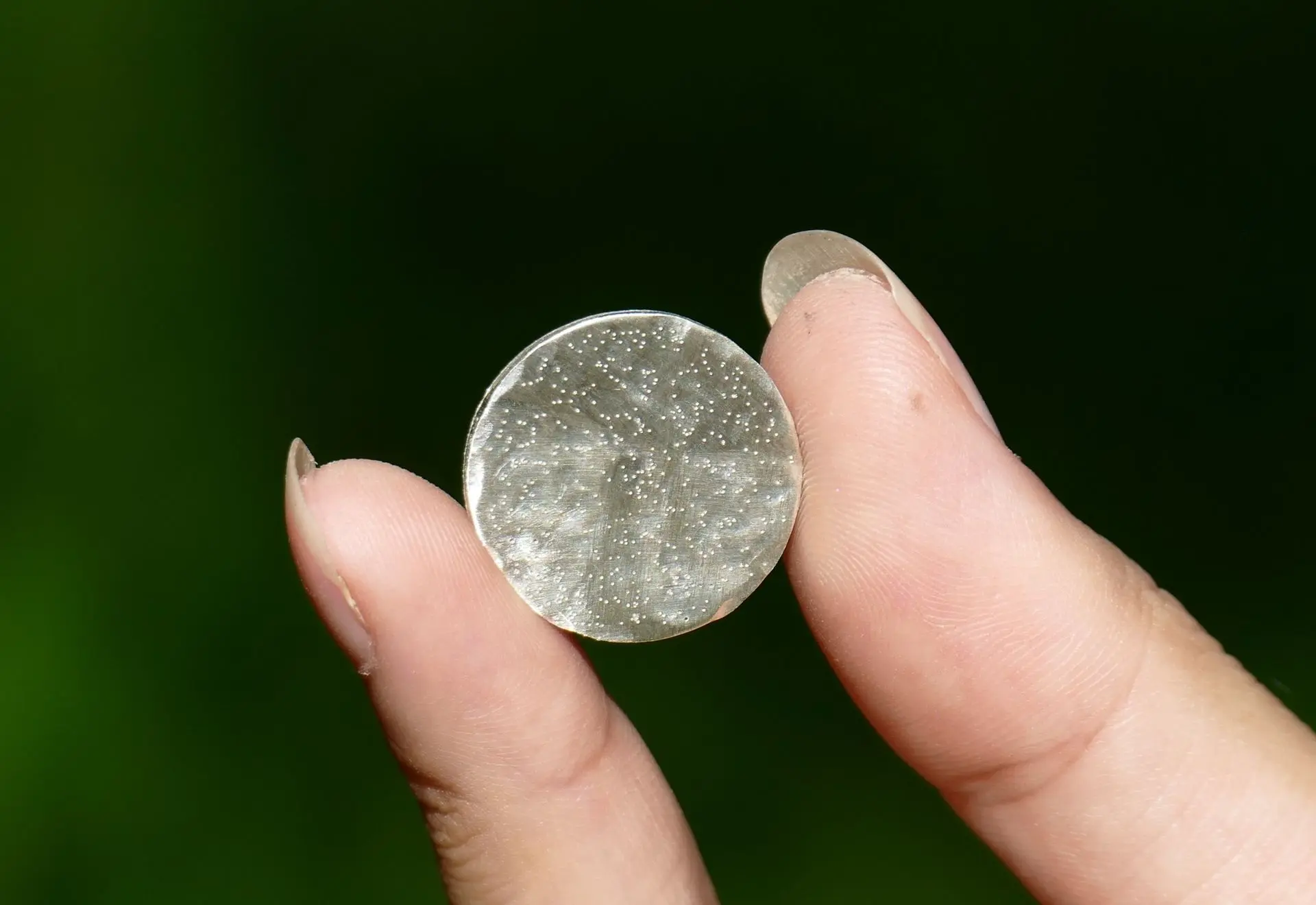
3. Hammered with Small Dots
This finish is created using a small blunt tool to tap tiny dots onto the metal surface. The effect mimics subtle imperfections found in antique or handcrafted objects and adds gentle dimension without overwhelming the overall design. It is an excellent option for designers seeking a natural, understated irregularity.
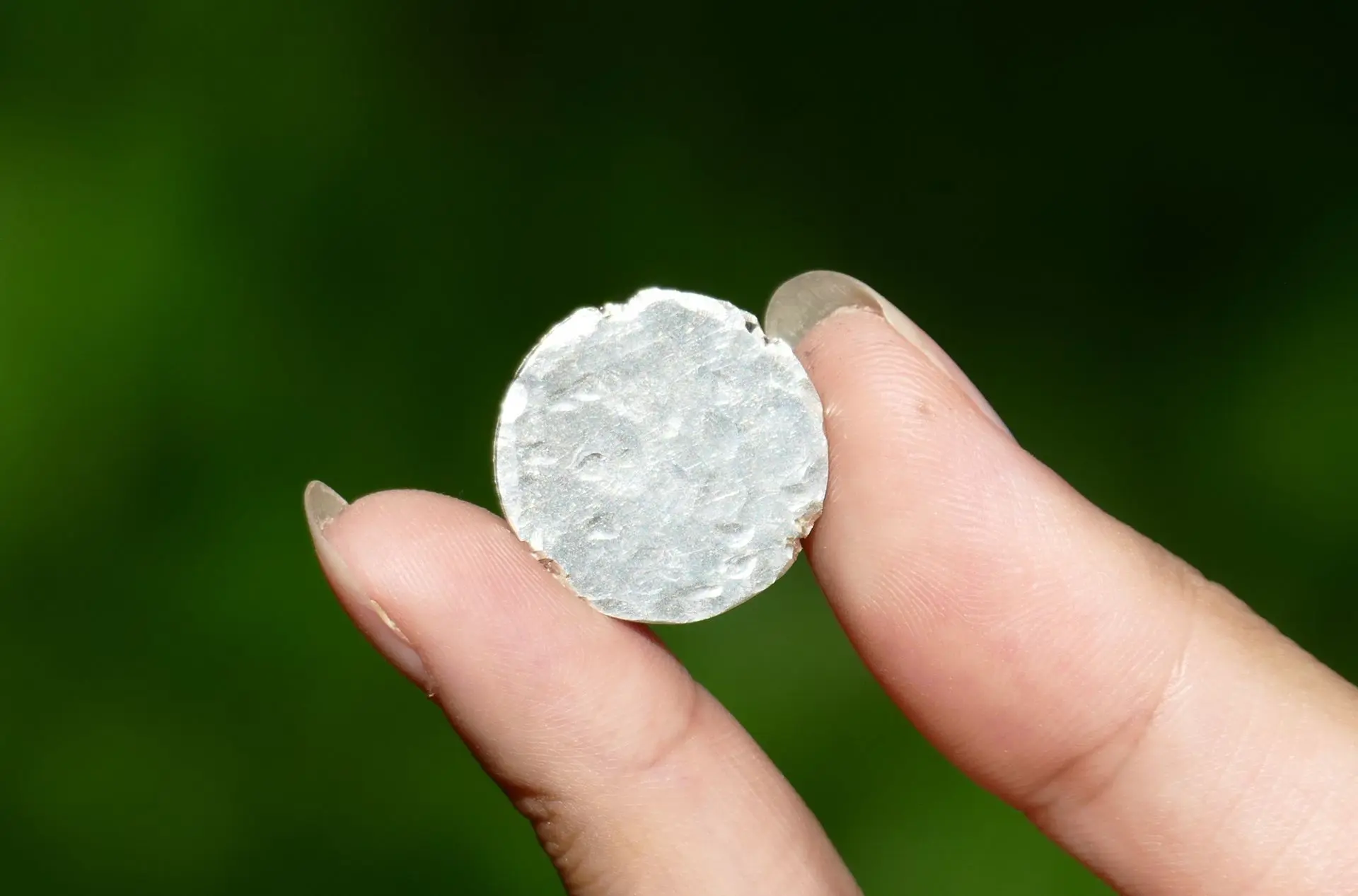
4. Hammered with Chipped Edge
This texture brings a stronger sense of age and character. After hammering, Wan shapes and chips the edge using pliers, creating an intentional “worn” aesthetic reminiscent of historical metalwork. When oxidised, the recessed areas darken beautifully, enhancing the depth and visual interest of the piece.
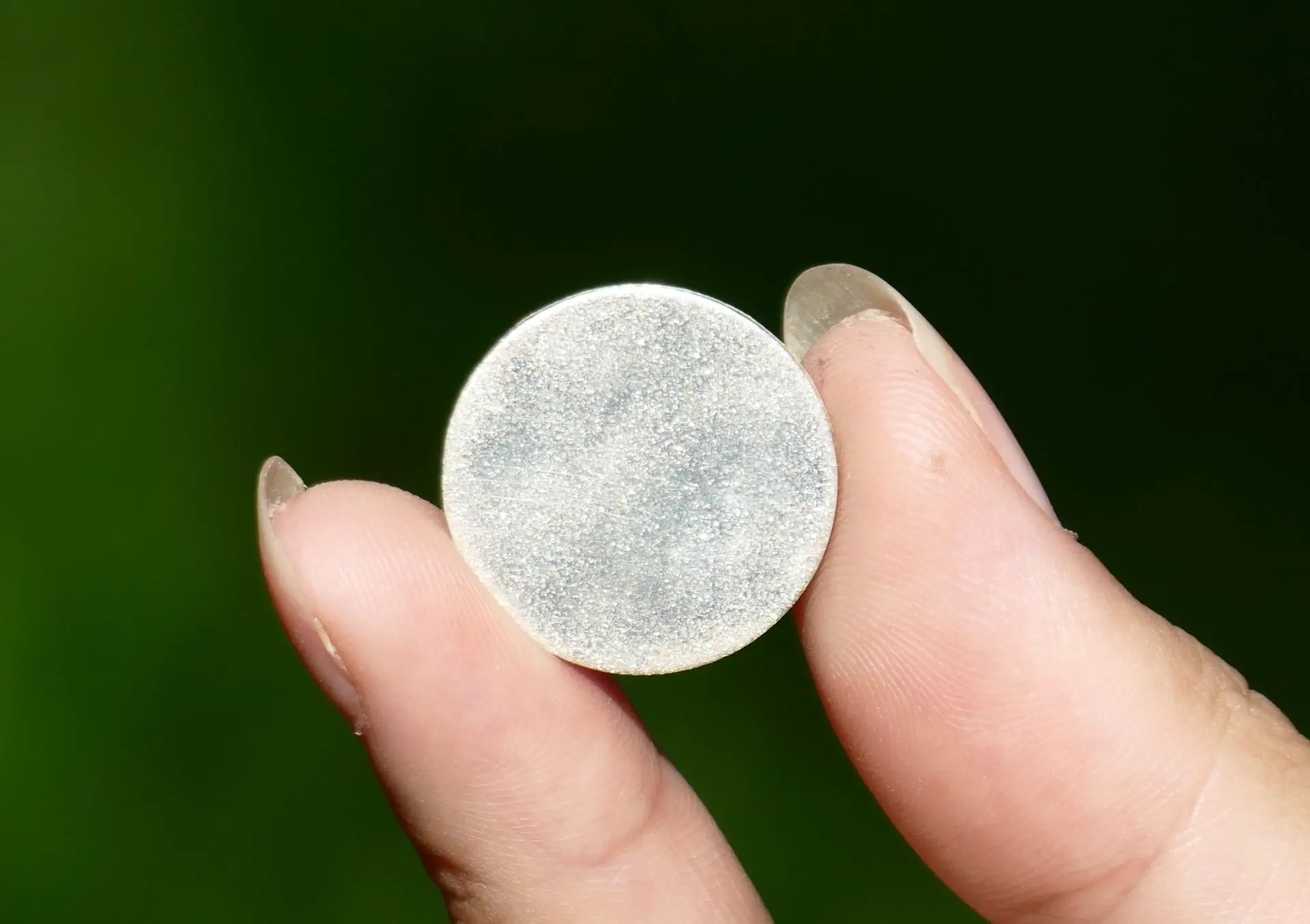
5. Sandpaper Hammered
For this subtle finish, the hammer head is wrapped in sandpaper before striking the metal. The outcome is a softly textured surface with a fine, almost shimmering quality — similar to a gentle sandblast finish. Designers often choose this texture for refined, understated, or nature-inspired pieces.
Ensuring Accuracy:
The Development Process
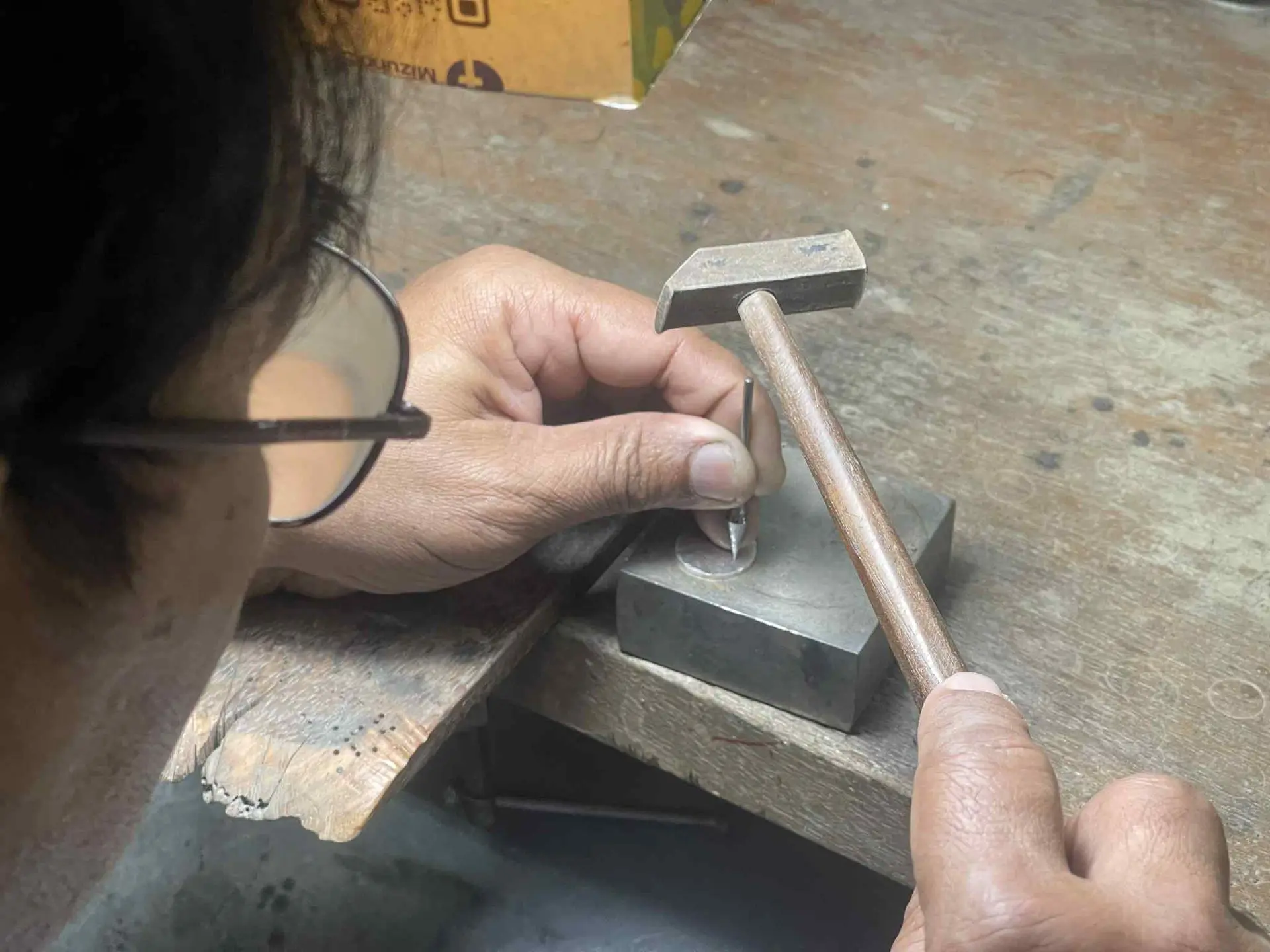
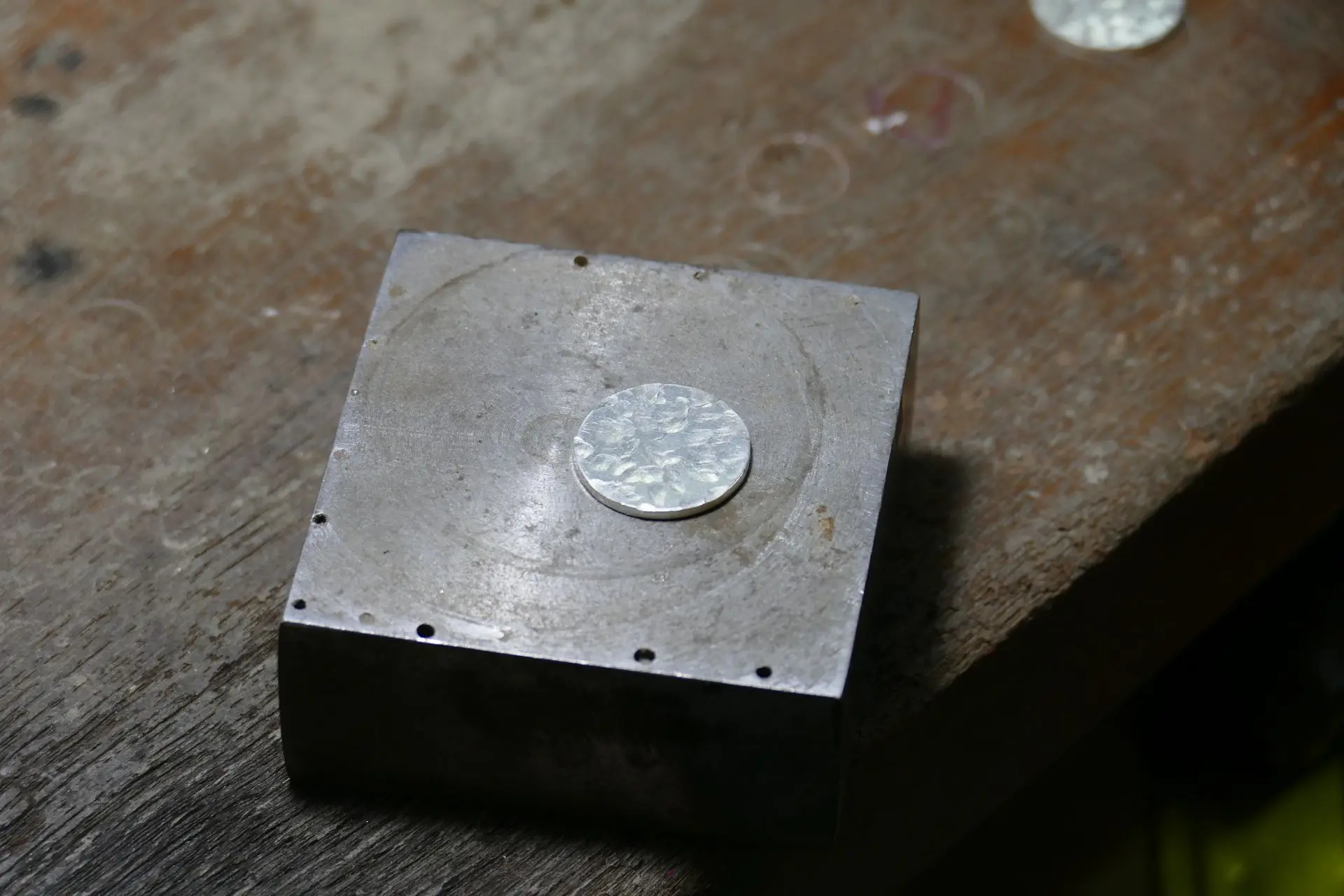
Once a handcrafted texture is created, we photograph or film the sample and send it to the designer for approval. Only after receiving confirmation do we proceed to produce the rubber mould, which will be used for casting production pieces.
We encourage designers to share:
- Image references
- Physical samples
- Prototypes
- Descriptions and keywords (e.g., “worn-out”, “organic”, etc.)
Clear references allow our artisans to align closely with your desired aesthetic and deliver a result that matches your vision.
A Note to Designers
Working closely with a manufacturer is always most successful when communication is detailed and transparent.
Our team is accustomed to interpreting a wide range of textural references, and artisans like Wan are highly skilled in reproducing surfaces with accuracy and sensitivity.
More often than not, a well-prepared reference allows us to achieve the desired texture on the first attempt.
We hope this behind-the-scenes look into our texture-making process provides insight into the artistry and dedication at the heart of Thai Design.
Our commitment to craftsmanship remains the foundation of everything we do, and we are proud to share the expertise of our Master Team with designers around the world.
If you would like to explore more stories, techniques, or craftsmanship features from our atelier, we invite you to continue following our blog and social channels.
Thank you for reading, and thank you for supporting our craft.