Watch the full YouTube video here
For those of us working within the jewellery industry, there’s no avoiding a difficult reality: the cost of precious metals has risen dramatically. For the past year, gold and silver prices have been surging to levels that are now reshaping how designers, brands and manufacturers alike approach both creativity and commercial viability.
Naturally, this has a huge impact on players throughout the jewellery supply chain. Margins are tightening, retail prices are creeping upwards, and perhaps most importantly, customers are becoming more hesitant.
Across the industry, the question on everybody’s lips is: “How can we continue creating beautiful, high-quality jewellery without pricing our customers out of the market?”
The Sharp Rise in Precious Metal Prices
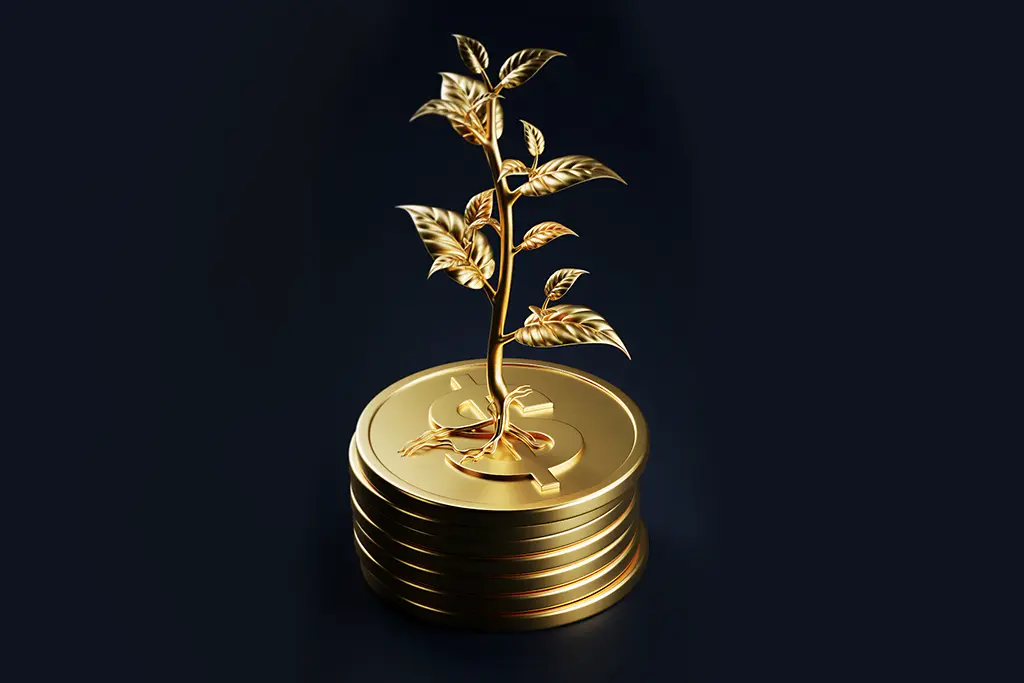
The upward trajectory of precious metals began accelerating at the start of 2025. By the end of the year gold had surged by more than 60%, whilst silver experienced a “meteoric” rise, with gains exceeding 50% in the final quarter of 2025 alone.
These increases are not occurring in isolation; they’re tied to a broad set of geopolitical and economic factors, including inflationary pressures, currency fluctuations, and global economic uncertainty driving demand for safe-haven assets. For jewellery businesses, however, the result of this complex climate is actually pretty straightforward: materials are more expensive than they’ve ever been.
To learn a little more about the fluctuation of precious metal prices, please check out the article we wrote earlier this year. Alternatively, you can watch our YouTube video here.
The Industry Response:
A Need for Strategic Adaptation
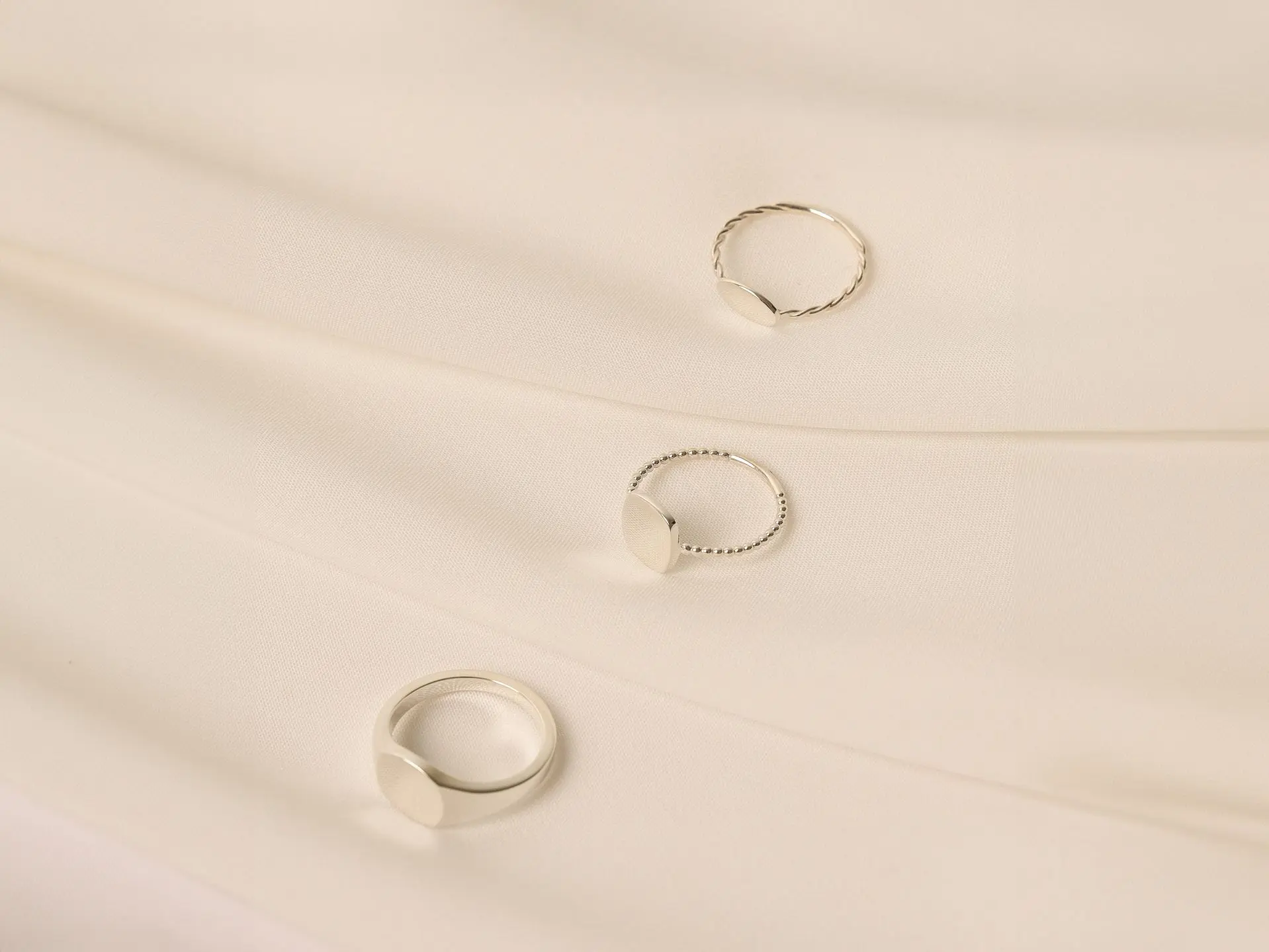
As a manufacturing partner to jewellery designers, brands and wholesalers worldwide, we’ve experienced the impact of these price hikes first-hand. In recent months, we’ve been having some open and honest conversations with our clients. Their feedback has been clear:
- They remain committed to their designs
- They value the craftsmanship and quality of our work
- But rising silver costs are becoming a genuine barrier
In the face of challenging market conditions like these, it can feel tempting to react impulsively. However, as a manufacturing partner who takes pride in nurturing lasting relationships with our clients – some dating back more than 50 years – we prefer to take a more considered approach.
Instead of asking, “How do we cope right now?”, we’ve asked ourselves a much more important question: “What is the long-term solution?”
Interestingly, we’re not alone in this shift. Leading companies like Pandora have too begun exploring alternative materials and alloys as a strategy for balancing cost pressures with quality expectations. This isn’t about cutting corners, but evolving traditional thinking about precious metals.
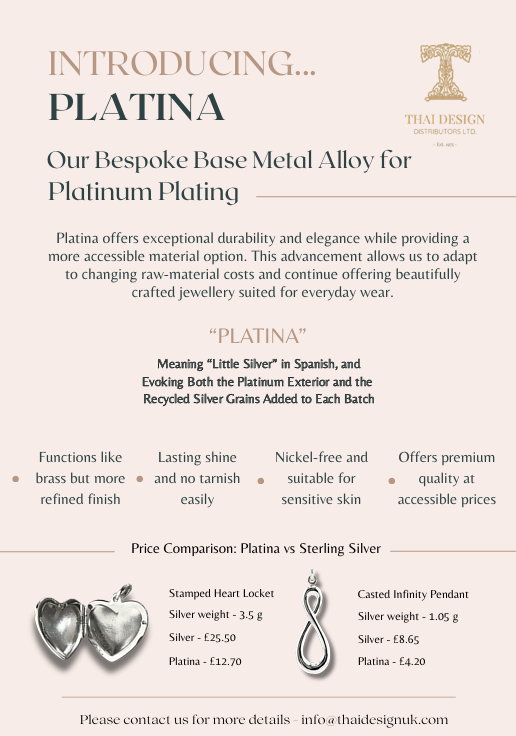
Introducing Platina:
a New Material Strategy
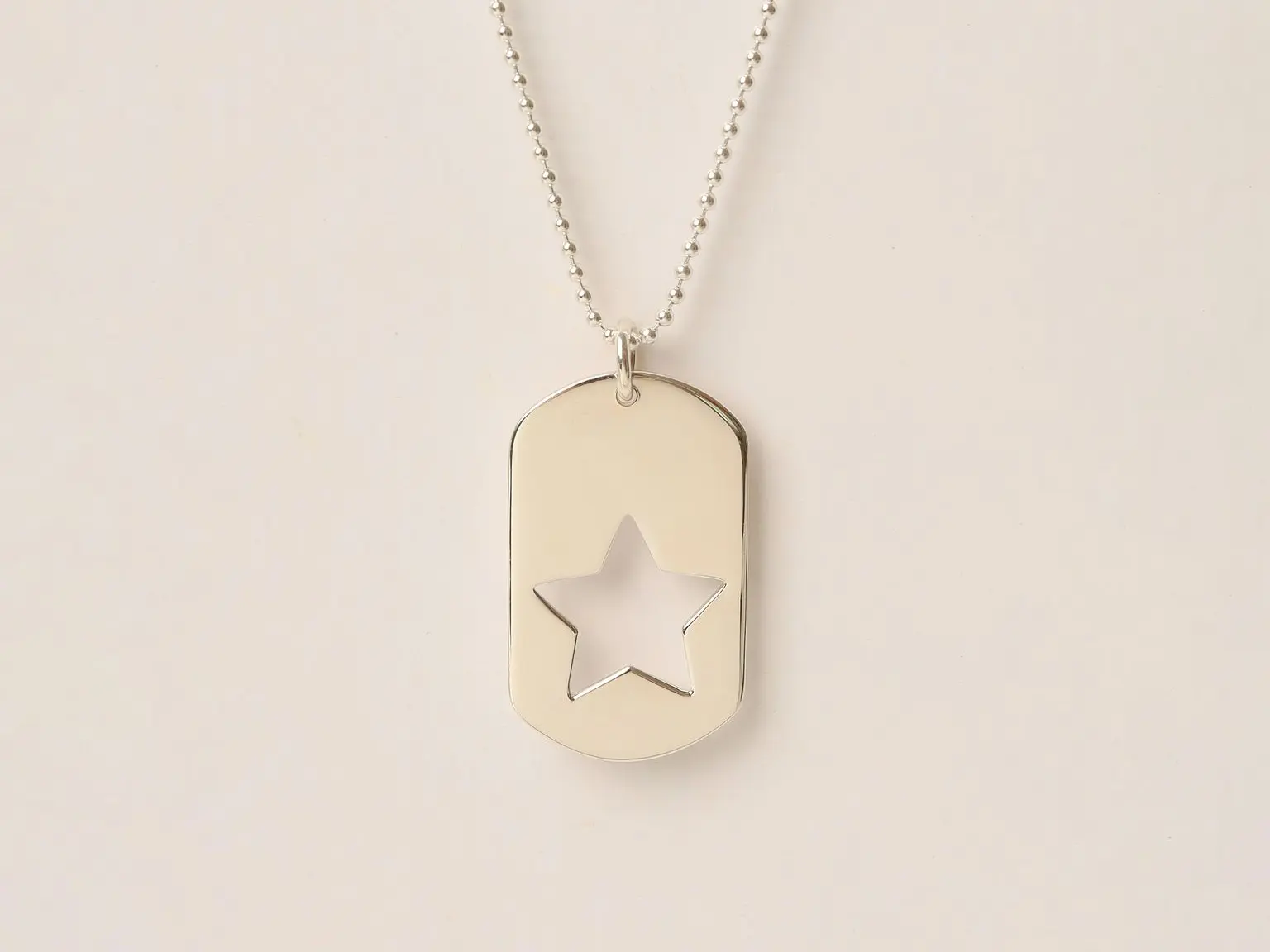
In response to these recent challenges, we’ve been busy innovating a new material solution.
Platina is a premium alloy system that allows us to adapt to the rising cost of silver without compromising on quality, durability or design integrity. It symbolises a deliberate reinvention of how jewellery materials can perform in a modern market environment.
Platina’s foundation is an upgraded and refined version of recycled silver grains combined with a base metal, which is subsequently finished with a high-quality plating of platinum.
A step beyond standard plating, the development of Platina has involved extensive testing across casting techniques, finishing processes and surface treatments. The goal has been to ensure consistent production quality, long-term durability and a premium appearance.
At its core, Platina is engineered to deliver the appearance and feel of sterling silver whilst reducing exposure to volatile silver pricing.
How Does Platina Compare to
Sterling Silver?
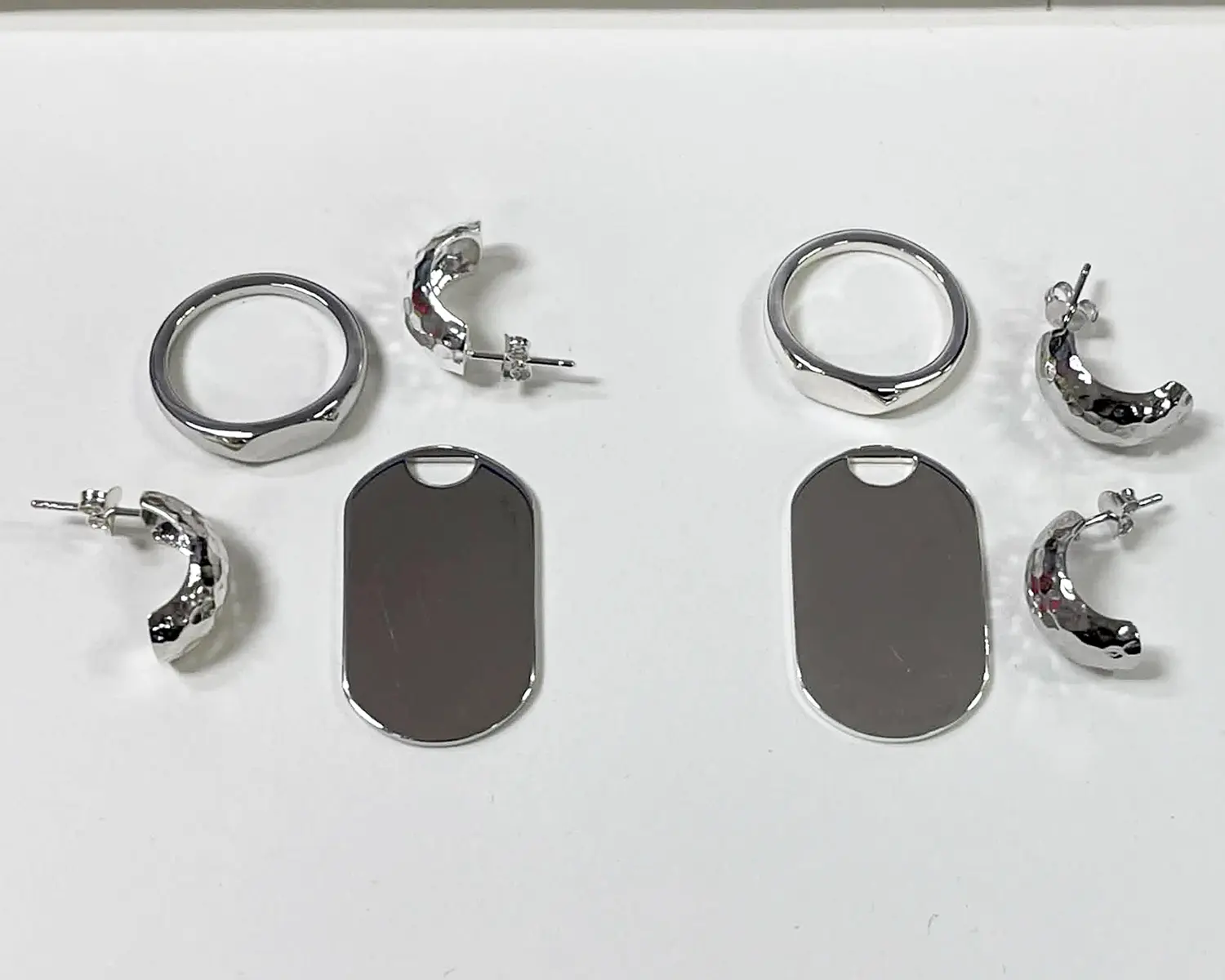
Left: Platina | Right: Sterling silver
Having already begun introducing Platina to some of our
long-standing silver jewellery clients, the most natural question is of course:
“How does Platina perform in comparison to solid sterling silver?”
Visually, the difference is minimal – virtually indistinguishable, in fact. Platina achieves the clean, bright-white finish that customers expect from silver jewellery.
In terms of performance, Platina offers several practical advantages:
- Strong resistance to tarnishing
- Long-lasting shine and colour retention
- A durable base that resists dents and scratches
- Nickel-free composition, suitable for sensitive skin
Just like sterling silver, these characteristics make Platina particularly well-suited to everyday jewellery, where durability and longevity are key considerations.
From a production perspective, Platina integrates seamlessly into our existing workflows here at the Thai Design craft facility. It casts cleanly and supports the same level of detail as sterling silver, enabling designers to maintain the intricacy and precision of their original concepts.
The Cost Advantage of Platina
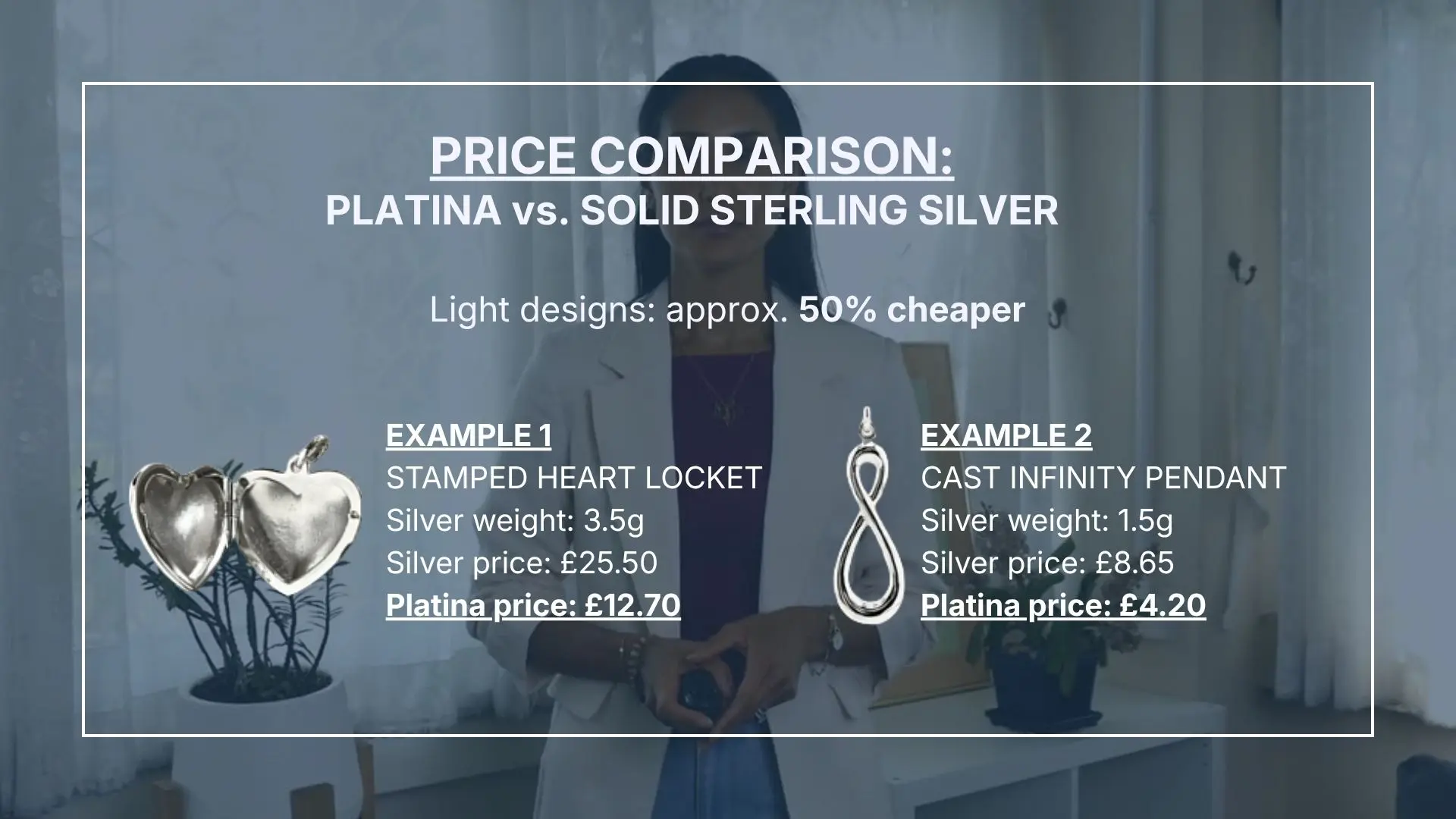
Perhaps the most compelling aspect of Platina is its cost efficiency.
At present, a piece produced in solid sterling silver costs approximately 50% more than the equivalent item manufactured using Platina.
This relative affordability of Platina will have significant implications for brands and designers:
- It enables the preservation of a premium aesthetic at a more accessible price point
- It supports competitive retail pricing in a cost-sensitive market
- It allows for greater flexibility when expanding or scaling collections
It’s important to explain that Platina is not intended to replace silver entirely. Instead, it provides an additional option - one that allows businesses like yours to make more strategic decisions about where and how you incorporate certain precious metals into your collections.
Expanding Creative Possibilities in Jewellery Design and Manufacturing
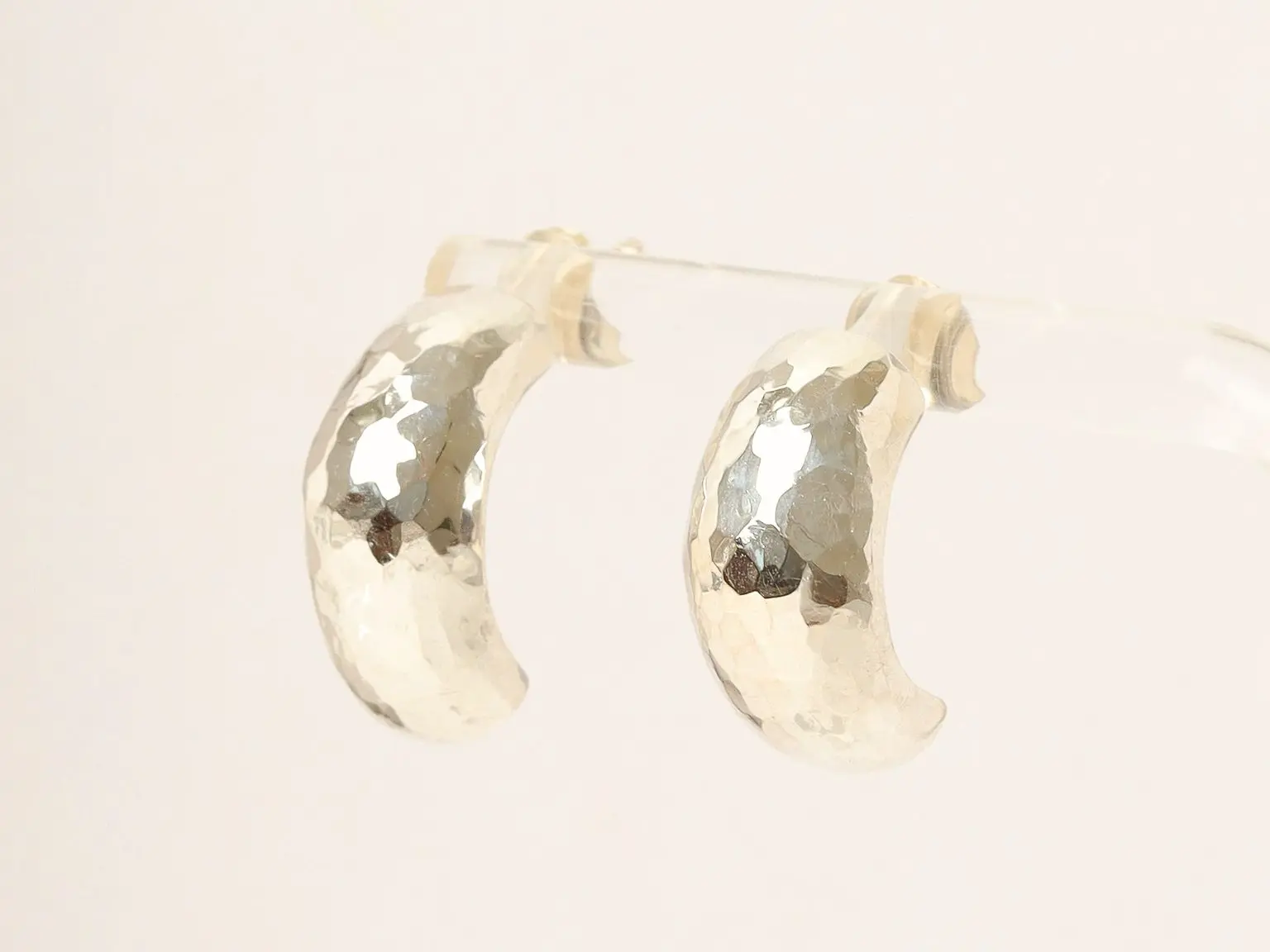
With the development and trial phases complete, we have now begun casting in Platina and introducing it to our clients. Early feedback has been extremely encouraging, but this is only the beginning.
Our in-house CAD team, combined with our advanced 3D resin printing capabilities, enables us to support designers in multiple ways:
- Developing entirely new collections optimised for Platina
- Adapting existing silver designs to improve cost efficiency
- Prototyping quickly and refining designs with precision
This flexibility ensures that adopting a new material does not mean compromising creativity or signature design language. In fact, it opens the door to new ideas and opportunities.
Watch the full YouTube video here
A Broader Shift in the Jewellery Industry
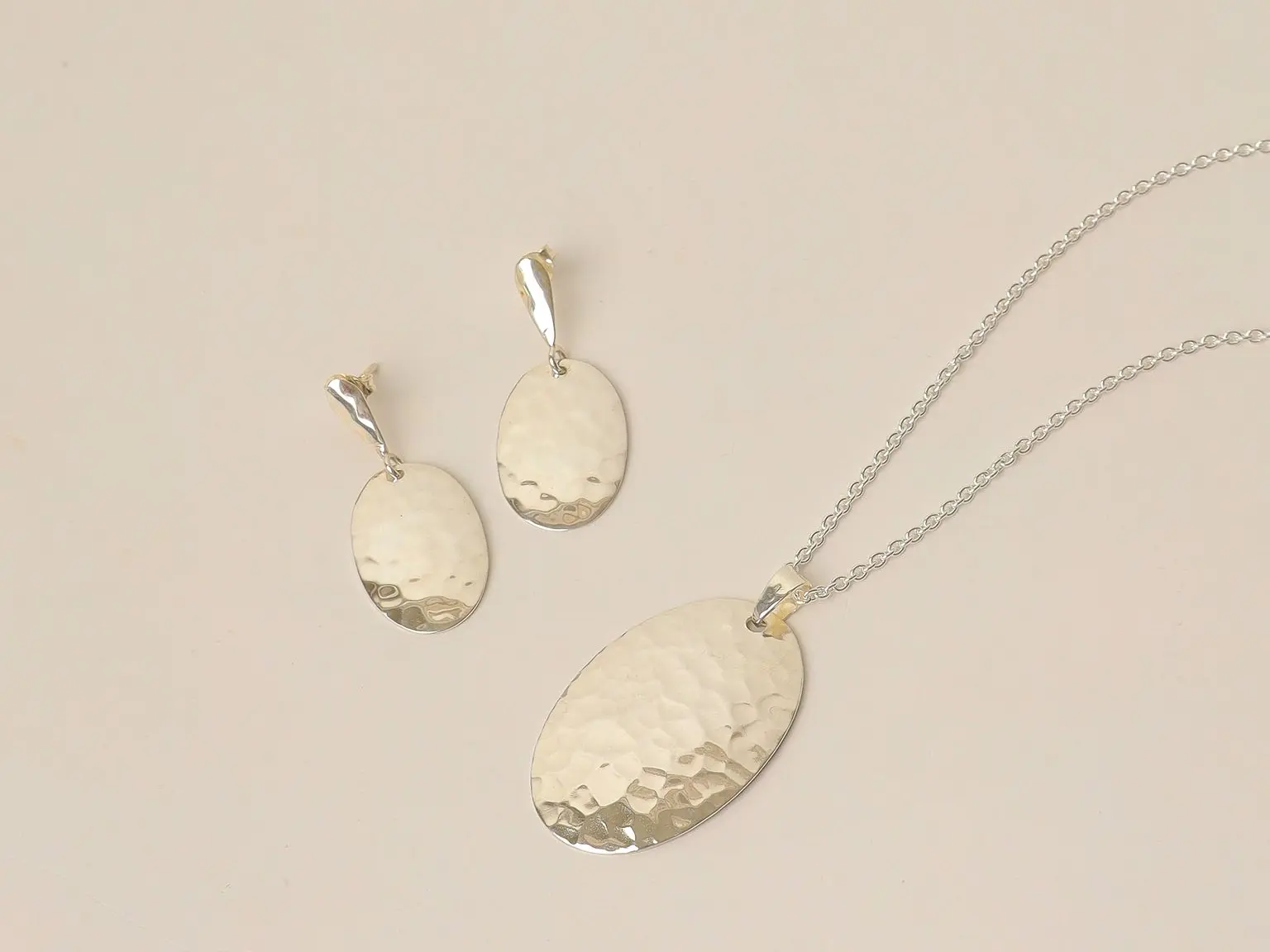
The jewellery industry has always been defined by creativity and adaptability. Throughout its history, it has evolved constantly in response to changing materials, technologies and market conditions. Today’s challenges are simply the latest chapter in that evolution.
Rising precious metal prices are encouraging a wider reassessment - not just of costs, but of long-standing assumptions about materials. Solutions like Platina represent a shift towards a more flexible, innovation-driven approach.
High-performing, durable and financially accessible, Platina is our response to a changing market. It allows you as jewellery designers and brands to maintain your standards whilst adapting to new economic realities.
If you’re interested in exploring how Platina could support your next collection or have any questions about its applications, we’re glad to continue the conversation. Please reach out today.